
Pink Floyd had already released a few concept albums when they went into the studio to record The Wall in 1979. The album, based in part on Roger Waters and former bandmate Syd Barrett, follows jaded rock star Pink as he builds a metaphorical wall around himself as protection and withdraws further and further from those around him. Behind the scenes, the recording process was almost as messy as Pink’s story.
Financial Troubles
Because of some bad investments, Pink Floyd had lost millions of dollars—according to Waters, almost everything they had made from Dark Side of the Moon was wiped out. But they still owed taxes on what they had earned. The album which ultimately became The Wall was Waters’ solution to digging them out of their financial hole.
One of Two Ideas
When Pink Floyd came together to start work on a new album, Waters presented them with two ideas for concept albums. The first was a 90-minute demo titled Bricks in the Wall, which eventually became The Wall. The second was about a man’s dreams over the course of a single night and eventually became Waters’ first solo album, The Pros and Cons of Hitch Hiking.
Lineup
Tension had been increasing in the band since The Dark Side of the Moon in 1973, and it came to a head during the recording of The Wall. The album was ultimately the last to feature this lineup. Waters fired keyboardist Richard Wright, although he still joined the band on tour as a salaried musician—meaning most likely, he also made the most money.
Children’s Choir
“Another Brick in the Wall, Part 2” needed something to elevate it, and the band turned to a children’s choir from the Islington Green School. Head of music Alun Renshaw “wanted to make music relevant to the kids” and was careful to make sure his boss didn’t hear the lyrics—he was worried she wouldn’t let the children participate if she did.
“Comfortably Numb”
Although most of the album was written by Waters, David Gilmour had a few major contributions, including “Comfortably Numb.” Producer Bob Ezrin felt the track—as well as “Nobody Home” and “The Trial”—should have an orchestral section. Gilmour preferred the “stripped-down and harder” recording, but Waters sided with Ezrin. They compromised by adding strings to the verses and leaving Gilmour’s solos untouched, but the damage to Gilmour and Waters’ relationship was done.
More Lists
-

Photo by Stuart Westwood/SOPA Images/LightRocket via Getty Images -
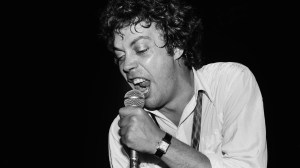
British actor and singer Tim Curry performing live, Canada, 1979. (Photo by Peter Noble/Redferns) -

Photo by Daniel Knighton/Getty Images -
Photo by Myrna Suarez/Getty Images -

Photo by Victor Fraile/Getty Images -

Photo by Terry Wyatt/Getty Images for Spotify -
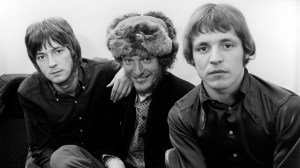
From left, Eric Clapton, Ginger Baker (1939-2019) and Jack Bruce (1943-2014) of British rock group Cream posed in their dressing room at Associated Rediffusion's Wembley Television Studios in north west London on 4th November 1966. Cream are booked to perform the songs 'Wrapping Paper' and 'N.S.U' on the music television show Ready Steady Go! at the studios. (Photo by Ivan Keeman/Redferns) -
Photo by Jeff Kravitz/FilmMagic