 How well do you know your Dylan lyrics? Take this quiz to find out.
And while we can't claim to solve his riddles, there are some fascinating stories behind the songs, some of which we've included with the answers.
~Jeff Suwak
More Music Quiz
 How well do you know your Dylan lyrics? Take this quiz to find out.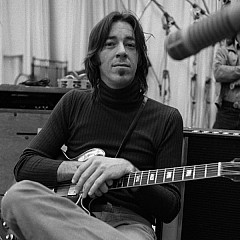
The "Lowdown" and "Lido Shuffle" singer makes a habit of playing with the best in the business.
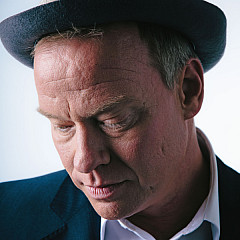
"Lullaby" singer Shawn Mullins on "Beautiful Wreck," beating the Devil, and his writing credit on the Zac Brown Band song "Toes."
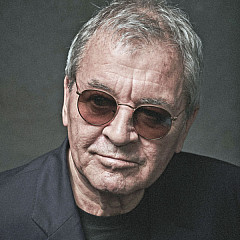
Deep Purple frontman Ian Gillan explains the "few red lights" in "Smoke On The Water" and talks about songs from their 2020 album Whoosh!
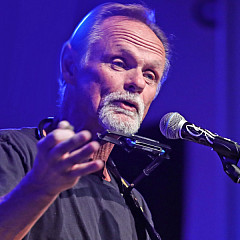
"How much does it cost? I'll buy it?" Another songwriter told Jonathan to change these lyrics. Good thing he ignored this advice.
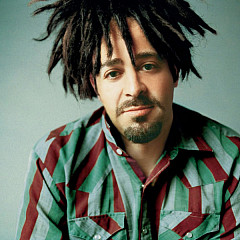
"Mr. Jones" took on new meaning when the song about a misguided view of fame made Adam famous.
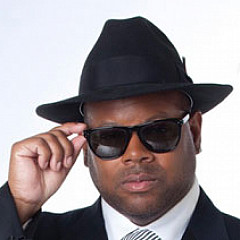
The powerhouse producer behind Janet Jackson's hits talks about his Boyz II Men ballads and regrouping The Time.
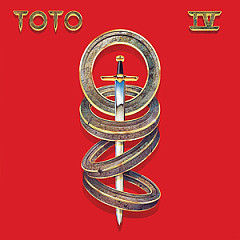
"Rosanna" by Toto got its name from the actress Rosanna Arquette, who was dating Toto keyboard player Steve Porcaro.
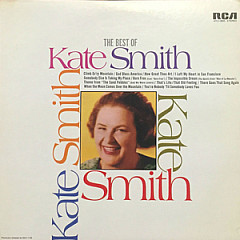
Irving Berlin, who wrote "God Bless America," said it was "not a patriotic song, but rather an expression of gratitude."
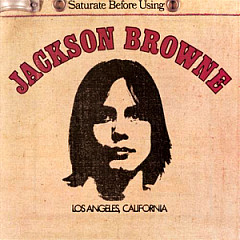
A problem with his eyes gave Jackson Browne the idea for "Doctor My Eyes," which became a song about a man whose mental health suffers when he sees the world for what it really is.
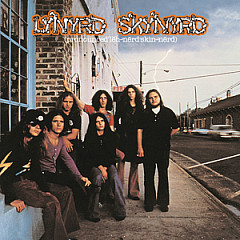
The opening lines to "Free Bird," "If I leave here tomorrow, would you still remember me?" came from the girlfriend of Lynyrd Skynyrd guitarist Allen Collins, who asked him that question during an argument.
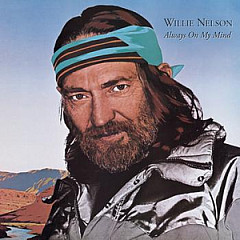
Elvis Presley recorded "Always On My Mind" in 1972, but Willie Nelson's version 10 years later was the hit and won the Song of the Year Grammy.

Richard Marx' debut single, "Don't Mean Nothing," features Joe Walsh on guitar. They didn't know each other beforehand; Walsh heard a demo of the song and asked to play on it.