These days, we get our stereo equipment in the same place we get our refrigerators, but there was a time when stereo stores were devoted to the latest and greatest in sound and vision, the bigger the better. In the 1996 The Presidents Of The United States Of America song "Volcano," the first single from their second album, they sing about a system so boomin', it's housed on an island ready to blow like a volcano. To bring the video to life, they enlisted Mark Kohr, who cast the band as mad scientist types who work in a Circuit City-like store and create the "Volcano 6000," the most powerful stereo system ever.
This was the first time The Presidents worked with Kohr. Their previous videos, including MTV favorites "Peaches" and "Lump," were directed by Roman Coppola, son of Godfather director Francis. Kohr directed Green Day's early videos, including "Basket Case" (set in an asylum) and "Longview" (set at their apartment). Here, Kohr takes us behind the scenes of the making of "Volcano."
This was the first time The Presidents worked with Kohr. Their previous videos, including MTV favorites "Peaches" and "Lump," were directed by Roman Coppola, son of Godfather director Francis. Kohr directed Green Day's early videos, including "Basket Case" (set in an asylum) and "Longview" (set at their apartment). Here, Kohr takes us behind the scenes of the making of "Volcano."
Roman Coppola did a bunch of videos for them, and they were wonderful. A really great spirit to them. I always regarded his work because he has a great sense of humor, he always worked with fun ideas, and his stuff was generally really playful. At the time that I was doing this video for Presidents, Roman was doing a video for Green Day ["Walking Contradiction"], because there was a point when I told them to try some other directors. I loved working with them, but I felt they needed someone with a different perspective on image-making for them so I could have perspective on my own work, too.
I came up with the idea of the stereo store and the volcano being like a new piece of stereo equipment. I was playing with the idea of how with new technologies, oftentimes we're sold a bill of goods and they're a disaster. It's supposed to be the new big thing and it ends up being a pile of poo. I thought it would be fun to make this joke on "the ultimate stereo system."
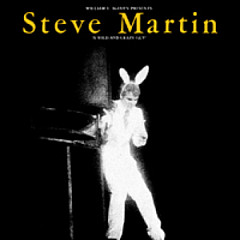
When I was a kid, I'd listen to Steve Martin comedy records, and he had this bit about a stereo system. When I was younger, you'd listen to records and there were amplifiers and turntables, and the needle to the turntable was really important, and he joked about the most expensive stereo system ever, that it has a moon-rock needle. So I was playing with those ideas.
Creating The Volcano 6000
The art director, Sterling Storm, built the volcano prop. I thought it would be fun to make the structure out of plexiglass so the edges could glow with light. My sister is a glass artist and was doing neon. She was doing these neon hearts that were filled with glass beads so lightning bolts would travel through the neon gas, so I thought it would be cool to do the center with a thick neon-glass tube with the beads in it so lightning bolts would go up and down the middle of the magma chamber. Then we made it goofy with the speakers and all that jazz. The guys in the band played designers and scientists, so we played with oscilloscopes and things.My brother is an effects artist who worked on the movie Starship Troopers, which was the first movie to use CGI creatures. He was working at Tippett Studio with Phil Tippett, who came out of Star Wars doing puppet animation, like the Walkers. But Troopers didn't used stop-motion animation, it was computer animation. So my brother made the little animated model of the volcano, like the wire-frame volcano being built. He did it on his home computer and brought the discs to Western Images in San Francisco, where I did all my editing in the late '90s - it was the premier place in San Francisco for editing and special-effects post production.
The Shoot
The band were all really nice people, really great guys with a good spirit about them. We were working with what is now considered a lot of money, but still there were limitations, and we had to have friends and family come in to be the customers in the stereo store. The drummer, Jason Finn, his mom and dad were the customers in the shot where he's making his pitch. The energy between them was really fun. They had trouble containing their laughter when he was performing his part.I tell my students [Mark teaches at the San Francisco Academy of Art], you don't need to go to the band to get approval for everything, because you're hired as an artist and you're working with artists, so you're collaborating with them, but you're brought in for your expertise. You need to make decisions based on your experience and what you've studied and the way you approach these equations. The artists want your feedback - they want you to say, "Hold your head this way." They're looking to you as an expert and as an artist in your field. They don't do this stuff - they're not keeping up on what codec works best with small floating particles as opposed to the ones that make them blur and look digital.
January 18, 2022
Further reading:
Interview with Mark Kohr
Interview with Chris Ballew of The Presidents
Behind The Video: Behind the Video: "Breathe Again" by Pop Evil
More Song Writing