
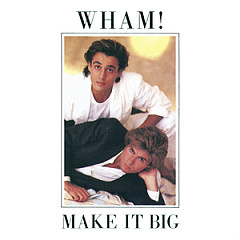
George Michael was 17 and on a bus to his job at the cinema when he came up with the idea for "Careless Whisper" and the lyrics, "Something in your eyes calls to mind a silver screen."
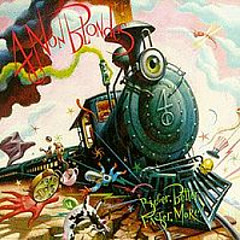
"What's Up" by 4 Non Blondes has endured as one of the most popular songs of the '90s, but it wasn't a huge hit at the time and the band split after one album. Frontwoman Linda Perry went on to write hits for Pink and Christina Aguilera.
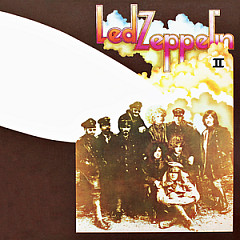
"Whole Lotta Love" was Led Zeppelin's only US Top 10 hit, charting at #4. Many of their songs, including "Stairway To Heaven," were not released as singles, as it was considered bad form in the UK to make fans pay for singles that were also on albums.
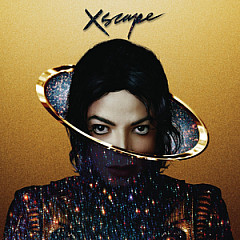
Michael Jackson became the first artist in history to score Top 10 hits in five consecutive decades on the Hot 100 when "Love Never Felt So Good" landed at #9 on the chart dated May 31, 2014.
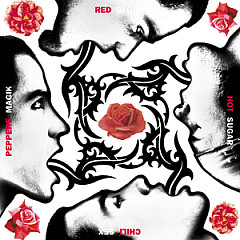
The Red Hot Chili Peppers' biggest hit is "Under The Bridge," a ballad not typical of their sound. Frontman Anthony Kiedis wrote the lyric after an acute bout of loneliness.
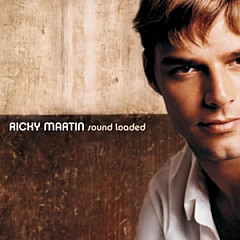
The Ricky Martin song "She Bangs" found new life when William Hung performed it so horribly on a 2004 episode of American Idol that it went viral.
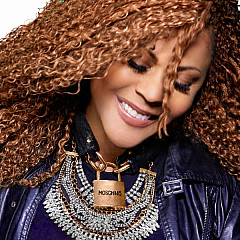
Waters tells the "Gypsy Woman" story, shares some of her songwriting insights, and explains how Dennis Rodman ended up on one of her songs.
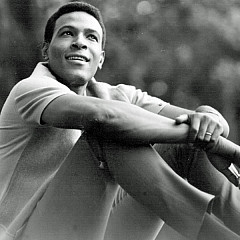
Did Marvin try out with the Detroit Lions? Did he fake crazy to get out of military service? And what about the cross-dressing?
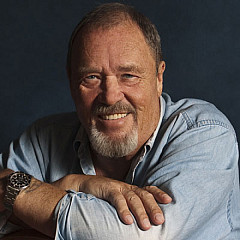
The longtime BS&T frontman tells the "Spinning Wheel" story, including the line he got from Joni Mitchell.
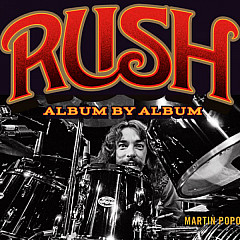
A talk with Martin Popoff about his latest book on Rush and how he assessed the thousands of albums he reviewed.

The renown rock singer talks about "The House of the Rising Sun" and "Don't Let Me Be Misunderstood."
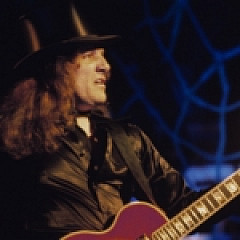
The co-writer/guitarist on many Alice Cooper hits, Dick was also Lou Reed's axeman on the Rock n' Roll Animal album.