


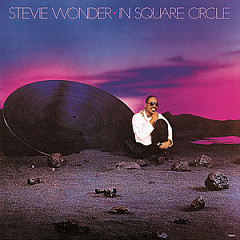
Stevie Wonder was 12 years old when he released his first #1 hit, "Fingertips (Part 2)." He had to wait 22 years for his next one: "Part Time Lover."
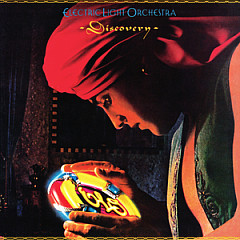
Jeff Lynne sang the word "groose" in the chorus of "Don't Bring Me Down" as a nonsense placeholder, but left it in when he found out it means "greetings" in German ("gruss").
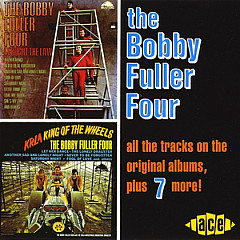
"I Fought The Law" was a hit for The Bobby Fuller Four in 1965. The Clash released their version in 1979, changing the lyrics "I left my baby" to "I killed my baby."
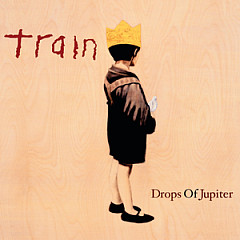
Many assumed Train's breakthrough hit, "Drops Of Jupiter (Tell Me)," is about a woman who leaves a relationship to find herself. Lead singer Pat Monahan actually wrote it after having a dream about his mother, who was "back in the atmosphere" after dying of cancer.
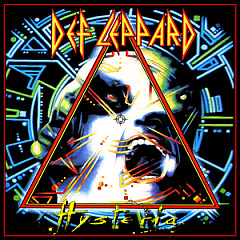
At the end of "Love Bites" by Def Leppard, there are some vocals that are hard to understand. It was rumored that they were: "Jesus of Nazareth, Go to Hell." It is actually producer Mutt Lange saying "Yes it does, Bloody Hell," with a thick British accent.
Bowie's "activist" days of 1964 led to Ziggy Stardust.
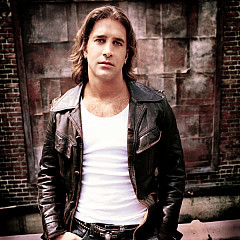
The Creed lead singer reveals the "ego and self-fulfillment" he now sees in one of the band's biggest hits.

"I'll Be" was what Edwin called his "Hail Mary" song. He says it proves "intention of the songwriter is 180 degrees from potential interpretation by an audience."

Brian has unearthed outtakes by Fleetwood Mac, Aretha Franklin, Elvis Costello and hundreds of other artists for reissues. Here's how he does it.

Ian talks about his 3 or 4 blatant attempts to write a pop song, and also the ones he most connected with, including "Locomotive Breath."
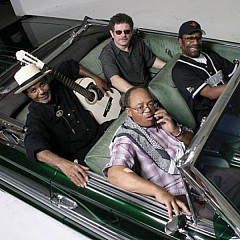
A founding member of the band War, Harold gives a first-person account of one of the most important periods in music history.