Bright Eyes

Album: The Very Best of Art Garfunkel (1979)
Charted: 1
Play Video

Songfacts®:

  • In 1972 Richard Adams wrote a novel, Watership Down, which tells the story of a small group of rabbits that are unhappy in their warren and decide to break out. The book recounts the rabbits' odyssey as they look for a new home but meet perils and temptations along the way. Although 13 publishers initially rejected the story before it was accepted by Rex Collings Ltd, the book has subsequently never been out of print, and in 1978 an English adventure drama animated film was produced based on the tale.

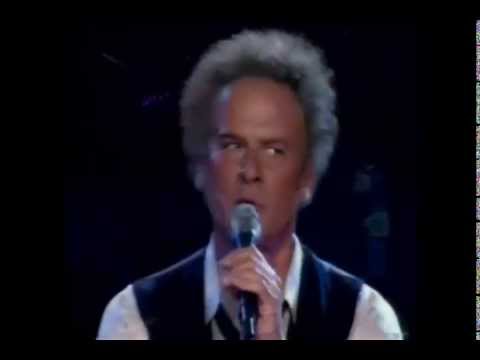
    "Bright Eyes," written by British singer and songwriter Mike Batt and sung by Art Garfunkel, was included on the soundtrack. Released as a single, it was immensely successful in the United Kingdom, staying at #1 in the British charts for six weeks in 1979, selling over one million copies, and becoming the biggest selling single of that year.
  • English singer-songwriter Mike Batt (The Wombles, Katie Melua) desperately wanted to write the score for the animated film, but the work went to Angela Morley (previously known as Wally Stott) and Malcolm Williamson. Mike kept submitting ideas for songs including this tune, which relates to Chief Rabbit Hazel's close shave with death. He recalled in 1000 UK #1 Hits by Jon Kutner and Spencer Leigh that he told the producers Art Garfunkel would be ideal for "Bright Eyes," and "within a week, there he was, in my home in Surbiton, singing the song."
  • The song did not impress Richard Adams. Batt recalled in 1000 UK #1 Hits, "I was watching Wogan and he asked Richard Adams what he thought of the film. He said that he hated 'Bright Eyes.' He based his dislike on the assumption that it was wrong factually. He said it was about a dead rabbit - well, if he reads his own book, he'll realize that the song is sung and thought by Fiver at a time when he thinks Hazel is dead. The point is that the other rabbit thought he was dead."
  • Art Garfunkel is best known for his work with Paul Simon in Simon & Garfunkel, but he forged an impressive solo career outside of Simon's ambit. In the UK, his cover of "I Only Have Eyes For You" was a #1 hit in 1975; in America he was a lite rock favorite with songs like "Break Away" and "All I Know."

    "Bright Eyes" didn't chart in America, but reached the Top 10 on many European charts, topping them in The Netherlands and Ireland in addition to the UK.
  • The first line of the chorus is briefly heard in the 2005 animated comedy Wallace and Gromit: The Curse of the Were-Rabbit, during a scene when Gromit is waiting for the Were-Rabbit to appear. Gromit turns on the radio, only to turn it off in horror when "Bright Eyes" plays.

Comments: 1

  • Blackavar from HereFiver doesn't think Hazel is dead. He's psychic and he knows he's alive and needs to find him. Batt is questioning the authors knowledge of HIS OWN story? The song was about dying, not actual death. I question BOTH of their knowledge.
see more comments

Editor's Picks

James Bond Theme Songs

James Bond Theme SongsMusic Quiz

How well do you know the 007 theme songs?

Hawksley Workman

Hawksley WorkmanSongwriter Interviews

One of Canada's most popular and eclectic performers, Hawksley tells stories about his oldest songs, his plentiful side projects, and the ways that he keeps his songwriting fresh.
Dave Pirner of Soul Asylum

Dave Pirner of Soul AsylumSongwriter Interviews

Dave explains how the video appropriated the meaning of "Runaway Train," and what he thought of getting parodied by Weird Al.

Tom Keifer of Cinderella

Tom Keifer of CinderellaSongwriter Interviews

Tom talks about the evolution of Cinderella's songs through their first three albums, and how he writes as a solo artist.

John Kay of Steppenwolf

John Kay of SteppenwolfSongwriter Interviews

Steppenwolf frontman John Kay talks about "Magic Carpet Ride," "Born To Be Wild," and what he values more than awards and accolades.

Brenda Russell

Brenda RussellSongwriter Interviews

Brenda talks about the inspiration that drove her to write hit songs like "Get Here" and "Piano in the Dark," and why a lack of formal music training can be a songwriter's best asset.