
Motownphilly

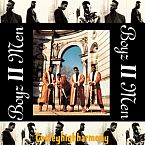
Album: Cooleyhighharmony (1991)
Charted: 23 3
Play Video

Songfacts®:

  • In the US, this was Boyz II Men's first single, an expression of their Philadelphia roots and Motown influence. It confused DJs for a few reasons: Many didn't know how to pronounce the band name, and some thought the song was called Boyz II Men and the group was named Motownphilly, since the words "Boyz II Men" are in the lyrics and the chorus states, "Motownphilly back again."
  • The song tells of the group's dreams and how they were discovered: backstage at a New Edition concert where they met Michael Bivens, a former member of New Edition and was part of Bell Biv DeVoe, who were a very popular group at the time. Boyz II Men sang him an a cappella version of their song "Can You Stand the Rain," and Bivens, who was an aspiring record producer, got them signed to Motown Records. Bivens shows up in "Motownphilly" doing a rap interlude about the experience.
  • The lyrics talk about the "East Coast Family." "ABC" is the group Another Bad Creation and "BBD" is Bell Biv Devoe. ABC and BBD weren't around a few years later, but Boyz II Men were wildly successful. >>>
    Suggestion credit:
    Andy - Arlington, VA
  • The title implies that Boyz II Men were bringing the Motown sound to Philadelphia. Motown is a legendary record label from Detroit featuring black artists.
  • "Motownphilly" introduces Boyz II Men with an uptempo new jack swing sound, but they soon became known for slow, harmonizing ballads. Their next single was the downtempo "It's So Hard to Say Goodbye to Yesterday," and their first #1 hit came the following year with "End of the Road."
  • This was produced by the Philadelphia-born, Atlanta-based producer Dallas Austin, who co-wrote the track with Michael Bivens and Boyz II Men's Nathan Morris and Shawn Stockman. Austin also worked with Bell Biv DeVoe and would go on to write and produce for TLC.
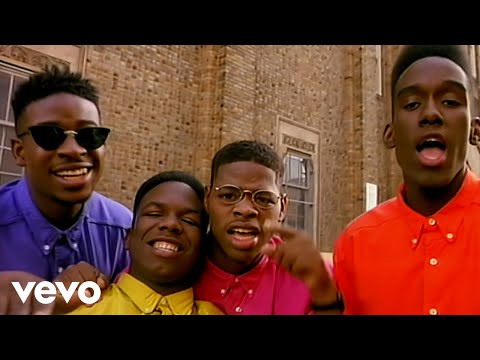
  • The music video has the guys dancing and performing around Philadelphia sites, like a Temple University dorm room and in front of Geno's Steaks. Questlove, of the Philadelphia hip-hop group The Roots, makes a cameo appearance.
  • Boyz II Men had some choreography to go with this song, but they were never known for their dancing. They did have a largely female fanbase and influenced the next generation of boy bands (Backstreet Boys, 98 Degrees), but these acts were far more focused on the visual presentation and backstory.
  • The section where Boyz II Men show off their vocal harmonies (after Michael Bivens says, "see if this one moves you") became their signature, and a source of frustration for the group. In their rounds of promotion, they were often asked to sing this part on the spot, often with custom lyrics to suit the host; for example, with the radio station call letters or a birthday shout-out. But this section was honed with lots of practice, and they couldn't just embellish it on the spot. They would usually either politely refuse the request or step out to rehearse it so they could sing it to their standards.

Comments

Be the first to comment...

Editor's Picks

Sarah Brightman

Sarah BrightmanSongwriter Interviews

One of the most popular classical vocalists in the land is lining up a trip to space, which is the inspiration for many of her songs.

George Harrison

George HarrisonFact or Fiction

Did Eric Clapton really steal George's wife? What's the George Harrison-Monty Python connection? Set the record straight with our Fact or Fiction quiz.

Rick Astley

Rick AstleySongwriter Interviews

Rick Astley on "Never Gonna Give You Up," "Cry For Help," and his remarkable resurgence that gave him another #1 UK album.

Deconstructing Doors Songs With The Author Of The Doors Examined

Deconstructing Doors Songs With The Author Of The Doors ExaminedSong Writing

Doors expert Jim Cherry, author of The Doors Examined, talks about some of their defining songs and exposes some Jim Morrison myths.

Kip Winger

Kip WingerSongwriter Interviews

The Winger frontman reveals the Led Zeppelin song he cribbed for "Seventeen," and explains how his passion for orchestra music informs his songwriting.

Philip Cody

Philip CodySongwriter Interviews

A talented lyricist, Philip helped revive Neil Sedaka's career with the words to "Laughter In The Rain" and "Bad Blood."