
Key Entity Extraction III: Vic the Butcher

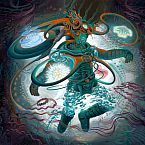
Album: The Afterman: Ascension (2012)
Play Video

Songfacts®:

  • This song is part of a double concept album that follows the character Sirius Amory as he inhabits the souls of being who have passed on. When he enters the soul of Vic the Butcher, he occupies the spirit of a madman with no regard for life. "Vic the Butcher was, in his human life, a terrible person," guitarist Travis Stever explained. "He burned a bunch of people in an apartment building. He was evicting people, but they couldn't get out - just a really evil person. Started a fire to get the insurance money and did evil things. He works for evil people. But he was one of those people that once they went to this afterlife, they were unsettled and stuck there."
  • The science fiction elements in the story of this song and The Afterman album were based on real life events that happened to Coheed and Cambria frontman Claudio Sanchez. The line in this song, "184, let's burn it down," relates to a domestic conflict. "Claudio had gotten into a fight with a friend of ours one night, and I was actually there," Travis Stever told us. "A lot of the words are an almost therapeutic way for him to get out some of his anger for what he felt for this person. And he also got into a fight with his wife when he got home, and that fight was in the apartment they lived in, which was 184.

    The story comes after he's already made this song about something that really happened, and then he creates the words to tell the story. But at the same time being something that really happened to him. Like basically you're saying, '184, let's burn it down.' Like, 'F--k it, we don't have to live here anymore. I don't care about anything.' He's so upset that he has this fight, so he's like, 'F--k it, I don't care, burn this building down. I don't give a s--t.'"
  • Claudio Sanchez handles the bulk of the songwriting in the band and has the final cut when it comes to creative decisions. This can be tough for his bandmates, who have to develop a thick skin and a degree of trust. "You've got to separate yourself. So what I need to do is try and just let it happen and not get too protective of my own feelings," Travis Stever says. "'Vic the Butcher' is this great example of it, because it's my favorite song to play live now. It's funny how that works. When we recorded it, I was like, 'Aw, man, I would have played this part different' and 'I would have done that,' but that's how he heard it, and it's the way he wanted the song to be. And so when I played those parts, I put my heart and soul into it and it shows."

Comments

Be the first to comment...

Editor's Picks

Janis Ian: Married in London, but not in New York

Janis Ian: Married in London, but not in New YorkSong Writing

Can you be married in one country but not another? Only if you're part of a gay couple. One of the first famous singers to come out as a lesbian, Janis wrote a song about it.

Chris Squire of Yes

Chris Squire of YesSongwriter Interviews

One of the most dynamic bass player/songwriters of his time, Chris is the only member of Yes who has been with the band since they formed in 1968.

Andy McClusky of OMD

Andy McClusky of OMDSongwriter Interviews

Known in America for the hit "If You Leave," OMD is a huge influence on modern electronic music.

Facebook, Bromance and Email - The First Songs To Use New Words

Facebook, Bromance and Email - The First Songs To Use New WordsSong Writing

Where words like "email," "thirsty," "Twitter" and "gangsta" first showed up in songs, and which songs popularized them.
Rufus Wainwright

Rufus WainwrightSongwriter Interviews

Rufus Wainwright on "Hallelujah," his album Unfollow The Rules, and getting into his "lyric trance" on 12-hour walks.

Adam Young of Owl City

Adam Young of Owl CitySongwriter Interviews

Is Owl City on a quest for another hit like "Fireflies?" Adam answers that question and explains the influences behind many others.