Gimme Hope Jo'anna

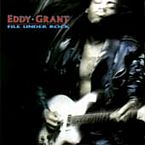
Album: File Under Rock (1988)
Charted: 7
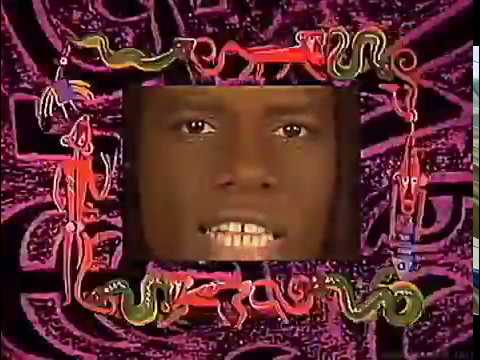
Play Video

Songfacts®:

  • Grant wrote this in honor of South African leader Nelson Mandela. Mandela fought against apartheid, a policy that separated people by race, and was very oppressive to blacks. Mandela was a political prisoner for over 20 years before apartheid was abandoned. After he was released, Mandela became president of South Africa. According to Grant, this became the anthem of the apartheid movement. >>>
    Suggestion credit:
    Crystal - Springfield, MO
  • "Jo'anna" is a reference to Johannesburg, the largest city in South Africa.
  • "The Archbishop who's a peaceful man" is a reference to Desmond Tutu, the first black South African Anglican Archbishop of Cape Town who received the 1984 Nobel Peace Prize for his fight against apartheid.

Comments: 9

  • Jules from GermanySupporters in higher places who turn their heads to the city sun - sounds like a clever play on words, as Eddy Grant refers to Sun City and its allures.
  • Derek from Boston To the fellow who said this was about Johan Vorster. I grew up in SA with this song and presumed it meant Jo’burg. Never considered BJ who was prez in the 70s but this song is from 88.
  • Eugene Louw from Eindhoven/cape TownThe song text (and the sheet music link on this page) originally says "don't make me wait till the MOURNING come" and not morning! Big difference and quite a powerful statement
  • Jeff from East LondonSteve it is in fact Johannesburg. The man said it so himself in an interview I listened to.
  • Bmn from Hisuan, ArgentinaSteve from Cape Town: you're wrong. Vorster's term as PM ended in 1978, ten years before this song was released.
  • Steve from Cape Town, South AfricaThe reference to Jo'anna, is not to Johannesburg. That would make no sense. It did not run the country nor did it have apartheid. In fact Johannesburg opposed apartheid. The Johanna referred to Johan Vorster, the Prime Minister at the time. I suppose it turned him feminine to conceal the true target otherwise the song would never be heard in South Africa. I think it was banned on the state radio anyway. The reason it was banned was because the authorities saw the real message perfectly clearly. That was also why it was popular, apart from the fact that it was a good tune and well performed.
  • Husnain from Karachi, PakistanEddy Grant was in a band called "The Equals" in te UK in the 60's. Their one big hit was "Baby Come Back" of 1968
  • Matt from Pinetown, South AfricaThe song was immensely popular in South Africa and is to this day. Especially among the Afrikaner communities, who often failed to see the message of the song. They do now.
  • Alan from Edinburgh, ScotlandThe Archbishop referred to in the song is Archbishop Desmond Tutu, the first black African to attain the position of Archbishop of Cape Town, which position is considered the head of the Anglican Church in southern Africa.
see more comments

Editor's Picks

Keith Reid of Procol Harum

Keith Reid of Procol HarumSongwriter Interviews

As Procol Harum's lyricist, Keith wrote the words to "A Whiter Shade Of Pale." We delve into that song and find out how you can form a band when you don't sing or play an instrument.

Yacht Rock Quiz

Yacht Rock QuizFact or Fiction

Christopher Cross with Deep Purple? Kenny Loggins in Caddyshack? A Fact or Fiction all about yacht rock and those who made it.

Dave Edmunds

Dave EdmundsSongwriter Interviews

A renowned guitarist and rock revivalist, Dave took "I Hear You Knocking" to the top of the UK charts and was the first to record Elvis Costello's "Girls Talk."

Victoria Williams

Victoria WilliamsSongwriter Interviews

Despite appearances on Carson, Leno and a Pennebaker film, Williams remains a hidden treasure.

David Gray

David GraySongwriter Interviews

David Gray explains the significance of the word "Babylon," and talks about how songs are a form of active imagination, with lyrics that reveal what's inside us.

Andrew Farriss of INXS

Andrew Farriss of INXSSongwriter Interviews

Andrew Farriss on writing with Michael Hutchence, the stories behind "Mystify" and other INXS hits, and his country-flavored debut solo album.