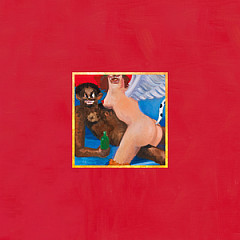

Pitbull's line "I got it locked up like Lindsay Lohan" in his 2011 song "Give Me Everything (Tonight)" didn't go over well with Lohan, who sued him for defamation. Around this time, she was in a downward spiral and often getting arrested. Her case was thrown out, but she did get her life back together.
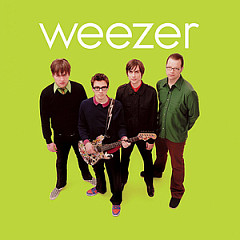
MTV wanted Weezer to record a version of their song "Hash Pipe" as "Half Pipe" to appeal to the skateboarding crowd. The band refused, and MTV listed the song as "H*** Pipe."
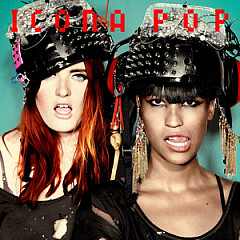
Icona Pop consider "I Love It" a kiss-off to their boyfriends. "We just wanted to get the song out and get the pigs to hear it," group member Jawo said.
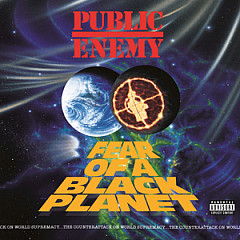
"Fight The Power" was written for the Spike Lee movie Do The Right Thing. It opens the film and serves as the motif.
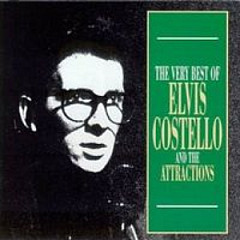
Lyrically, Elvis Costello's "Watching The Detectives" was inspired by American detective shows; musically, it was inspired by The Clash.
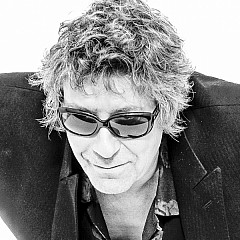
Psychedelic Furs lead singer Richard Butler talks about their first album since 1991 and explains what's really going on in "Pretty In Pink."
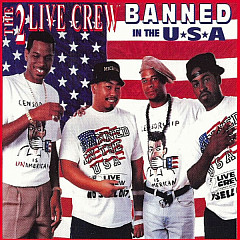
In the summer of 1990, you could get arrested for selling a 2 Live Crew album or performing their songs in Southern Florida. And that's exactly what happened.
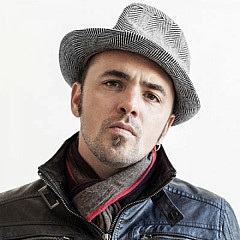
One of Canada's most popular and eclectic performers, Hawksley tells stories about his oldest songs, his plentiful side projects, and the ways that he keeps his songwriting fresh.
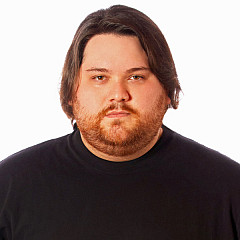
Wolfgang Van Halen breaks down the songs on his debut album, Mammoth WVH, and names the definitive Van Halen songs from the Sammy and Dave eras.
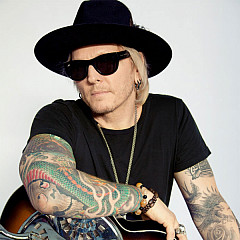
When he joined Guns N' Roses in 1990, Matt helped them craft an orchestral sound; his mezzo fortes and pianissimos are all over "November Rain."

Steppenwolf frontman John Kay talks about "Magic Carpet Ride," "Born To Be Wild," and what he values more than awards and accolades.