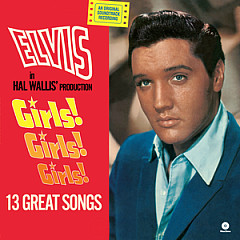
When the Elvis stamps came out in 1993, lots of folks used them to mail letters with bad addresses so they would be Returned To Sender.
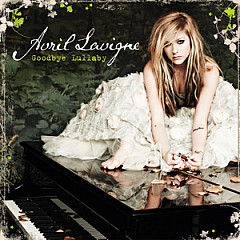
Avril Lavigne's 2011 song "Darlin" was written much earlier; she says it's the second song she ever wrote, composed when she was an unsigned 15-year-old living in Napanee, Ontario. The song reflects those years when she was "trying to figure it all out."

Ella Langley's country crossover hit "Choosin' Texas" was co-written by Texas native Miranda Lambert, who told Ella a story about getting pulled over with a kangaroo in her car (yes, a real kangaroo - a baby). "She's from Texas, I can tell," Langley said, which sparked the song.
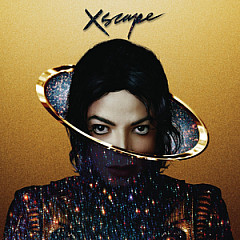
Michael Jackson became the first artist in history to score Top 10 hits in five consecutive decades on the Hot 100 when "Love Never Felt So Good" landed at #9 on the chart dated May 31, 2014.
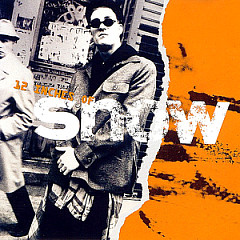
The video for "Informer" by Snow that ran on MTV was subtitled so viewers could understand what he was saying.
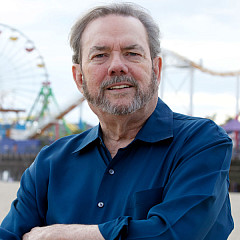
Webb talks about his classic songs "By the Time I Get to Phoenix," "Wichita Lineman" and "MacArthur Park."
Prince is shrouded in mystery, making him an excellent candidate for Fact or Fiction. Is he really a Scientologist? Does he own an exotic animal?

The trail runs from flying saucer songs in the '50s, through Bowie, blink-182 and Katy Perry.

Jon Fratelli talks about the band's third album, and the five-year break leading up to it.

The Scorpions and UFO guitarist is also a very prolific songwriter - he explains how he writes with his various groups, and why he was so keen to get out of Germany and into England.
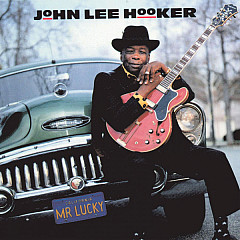
Into the vaults for Bruce Pollock's 1984 conversation with the esteemed bluesman. Hooker talks about transforming a Tony Bennett classic and why you don't have to be sad and lonely to write the blues.