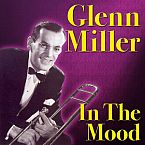
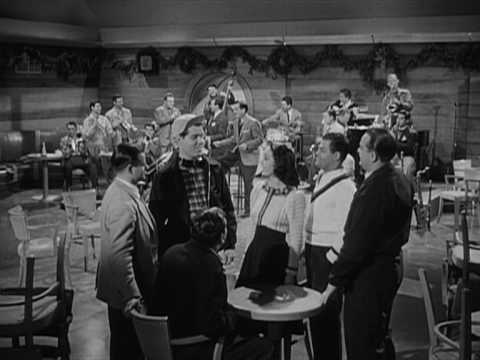
This song was written for Sun Valley Serenade, a 1941 movie starring Sonja Henie, Milton Berle, and Joan Davis. It became the #1 song across the US in December of that year, and remained there for nine weeks, due in large part to the performance in the movie. The 78 rpm recording sold 1.2 million copies.
The Glenn Miller Orchestra stars in Sun Valley Serenade and performs the song in the film. In the 8-minute scene, Miller's band does the song with their vocalists Tex Beneke and Paula Kelly, and then the starlet Dorothy Dandridge sings it, doing a dance routine with the tap-dancing brothers Harold and Fayard Nicholas.
The band recorded the song at Victor studios in Hollywood on May 7, 1941, shortly after completing work on the film.
The original Chattanooga Choo Choo train that inspired this song was a wood-burning steam locomotive owned by the Cincinnati Southern Railway that traveled from Cincinnati to Chattanooga - it was a newspaper reporter who dubbed it the "Chattanooga Choo Choo."
The song was written by the composers Mack Gordon (lyrics) and Harry Warren (music) while they were aboard a different train: Southern Railway's Birmingham Special ("Birmingham Choo Choo" doesn't make for a great lyric). The actual Cincinnati Southern Railway train that gave this song its name became a museum artifact.
The lyric for this song tells the story of a man traveling south on a coal-burning train from Pennsylvania Station in New York (there are various Pennsylvania Stations in the United States, but in Sun Valley Serenade, it's the one in New York), through Baltimore and arriving in Chattanooga, Tennessee, where he will meet up with his girl. It's a jubilant song with every aspect of the train ride a delight - even the whistle sounds like a song.
Many American men were serving in the military when this song was recorded, as World War II was raging in Europe (America didn't enter until the bombing of Pearl Harbor on December 7, 1941). Glenn Miller asked his orchestra to think about a returning soldier with that feeling of excitement as he gets a shoe shine, boards the train and watches the scenery go by, knowing he's headed for home.
The train station in Chattanooga was called Terminal Station. It opened in 1908 and was a major transportation hub in the '30s and '40s. It closed in 1970, and was later repurposed as the "Chattanooga Choo Choo vacation and entertainment complex," with a high-end hotel, a restaurant, convention center and apartment complex. It also encompasses the "Glenn Miller Gardens," which is a monument of sorts to Miller and this song.
The first ever "gold record" was awarded to Miller for this song. His record company, RCA Victor, presented it to Glenn on his Chesterfield radio program (CBS), on February 10, 1942 in celebration of sales of over one million records. At this point, a gold record was simply a promotional tool for record companies to honor their artists; it wasn't until 1958 that the RIAA began issuing gold records based on certified sales figures.
Glenn Miller's version of this song was inducted into the Grammy Hall of Fame in 1996.
Two German songs about trains were adapted from this song, and both share the same opening line of "Pardon me."
TV's I Dream of Jeannie star Barbara Eden starred in a 1984 movie with the same name of this song.
Operation Chattanooga Choo-Choo was a 1944 mission in which British and American aircraft systematically bombed German railroads.