The Dress Makes the Man

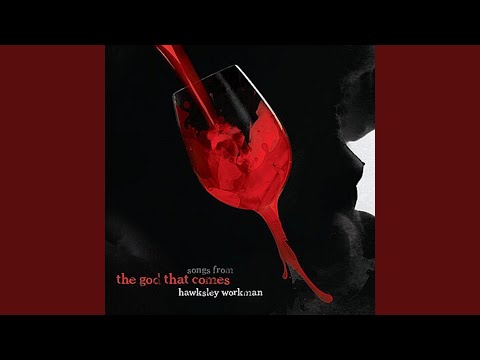
Album: Songs from The God That Comes (2013)
Play Video

Songfacts®:

  • "The Dress Makes the Man" from Hawksley Workman's one-man show, The God That Comes, is reminiscent of some of his earlier songs such as "Paper Shoes," "Dirty and True," "Jealous of Your Cigarette," and "Striptease" because of its sexual theme. Workman revealed in our interview that it was not a conscious decision or intentional for him to return to that theme. It just naturally happened.
  • The God That Comes is a retelling of the Greek tragedy The Bacchae by Euripides. Workman plays three characters in his rock and roll cabaret version: Pentheus - the King of Thebes, Bacchus - the God of Wine, and the King's mother, Agave.

    The story revolves around Pentheus being upset that his people are engaging in scandalous activities such as alcohol consumption and copulation to worship Bacchus. Pentheus learns that his mother, Agave, is partaking in these outrageous events on a mountain. Bacchus suggests to Pentheus to dress like a woman as a disguise so he can see what is happening for himself. "The Dress Makes the Man" is the moment when that occurs. Workman told us about how he and co-creator, Christian Barry, wanted to paint Pentheus as sexually frustrated and confused: "We always thought in the text that was so funny how willing and ready he was to cross dress despite the fact that he was coming down so hard on homosexuals and women."

    The idea is displayed well in the song with these lyrics:

    Now I've heard it be told by the brave and the bold
    That a dress, a dress makes the man
    And I know I've been clear in my position on queers
    Which makes the whole thing so hard to understand
    Now I don't mind to try it, but maybe not a steady diet
  • The writing process for The God That Comes happened in three sessions over the course of a year. One occurred in Calgary, Alberta where Workman and Christian Barry set up a piano and would just improvise the songs. Workman spoke to us about how they did not have a plan regarding their writing process.

    "We would read modern versions," he said. "We would read older versions. We would read news items that sort of related to the characters in the play. The room was just so full of ideas and pregnant with inspiration that I don't know. You just sit at the piano and the songs would pop out."

    He continued to explain that most of the songs written for The God That Comes came to life that way with just Workman sitting at a piano and following whatever came out of his mouth in that moment.

Comments

Be the first to comment...

Editor's Picks

Ron and Russell Mael of Sparks

Ron and Russell Mael of SparksSongwriter Interviews

The men of Sparks on their album Hippopotamus, and how Morrissey handled it when they suggested he lighten up.

Steely Dan

Steely DanFact or Fiction

Did they really trade their guitarist to The Doobie Brothers? Are they named after something naughty? And what's up with the band name?

Carol Kaye

Carol KayeSongwriter Interviews

A top session musician, Carol played on hundreds of hits by The Beach Boys, The Monkees, Frank Sinatra and many others.

Chris Rea

Chris ReaSongwriter Interviews

It took him seven years to recover from his American hit "Fool (If You Think It's Over)," but Chris Rea became one of the top singer-songwriters in his native UK.

Marvin Gaye

Marvin GayeFact or Fiction

Did Marvin try out with the Detroit Lions? Did he fake crazy to get out of military service? And what about the cross-dressing?

Alan Merrill of The Arrows

Alan Merrill of The ArrowsSongwriter Interviews

In her days with The Runaways, Joan Jett saw The Arrows perform "I Love Rock And Roll," which Alan Merrill co-wrote - that story and much more from this glam rock pioneer.