

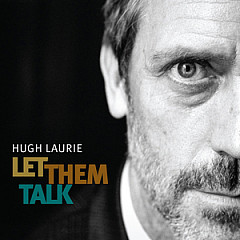
Hugh Laurie, star of the TV show House, had a minor hit in 2011 with "Police Dog Blues," an old Blues song from 1929.
"At This Moment" was first released by Billy Vera & the Beaters in 1981, and hit #79. After it was used in two episodes of Family Ties in 1985-1986, it went to #1.

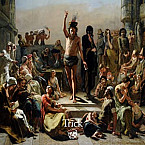
"Aberdeen" by Cage The Elephant is named after the birthplace of Kurt Cobain. It's in Grays Harbor County, Washington.
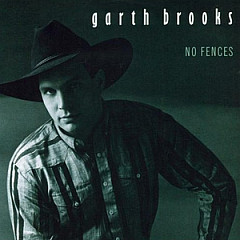
"Friends In Low Places" by Garth Brooks was written by two Nashville songwriters after a meal in a local restaurant. One of them forgot his money, but said not to worry, "I have friends in low places. I know the cook."
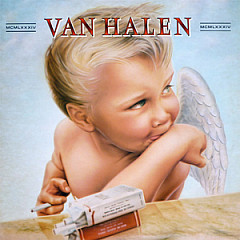
Van Halen's first #1 hit was "Jump," an unusual song for the band because the lead instrument was synthesizer, not guitar.

The Rick James song "Cold Blooded" is about Linda Blair from The Exorcist, his girlfriend at the time. In James' lingo, "cold blooded" means sexy, not cruel.
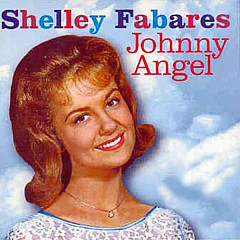
For songwriters, Johnny represents the American man. He has been angry, cool, magic, a rebel and, of course, marching home.
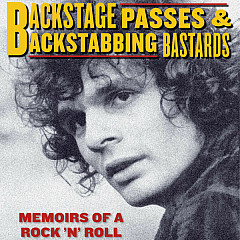
Kooper produced Lynyrd Skynyrd, played with Dylan and the Stones, and formed BS&T.

Don breaks down "Hotel California" and other songs he wrote as a member of the Eagles. Now we know where the "warm smell of colitas" came from.

The rock revolutionist on songwriting, quitting smoking, and what she thinks of Rush Limbaugh using her song.
How well do you know your David Bowie lyrics? Take this quiz to find out.

Dave explains how the video appropriated the meaning of "Runaway Train," and what he thought of getting parodied by Weird Al.