

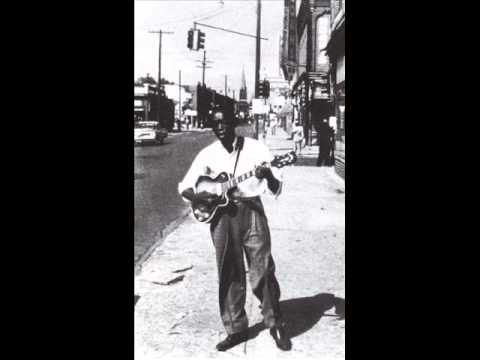
The guys who wrote "Take Me Out To The Ballgame" had never been to a baseball game but knew it was a good song topic.
The wild child Role Model sings about in "Sally, When the Wine Runs Out" is based on various women he encountered when he dove back into the dating pool after a long relationship.
Whitney Houston's "I Wanna Dance With Somebody" is a joyful-sounding song with lyrics that are surprisingly somber: "when the night falls, loneliness calls." It's co-writer explained: "Many of our friends were in this boat - 5 o'clock comes around, they start getting restless."
"Ain't Nobody" by Rufus & Chaka Khan was one of the first big hits to use a sequencer, which is how that distinctive keyboard loop was created. The song almost landed on Michael Jackson's Thriller album, but the group decided to keep it.
Cake lead singer John McCrea says their song "The Distance" is about the "failure of success." No matter how much we strive for victory, we'll always want more, particularly in the corporate world.

The opening line in "How Soon Is Now?" by The Smiths is "I am the son and the heir," not "I am the sun and the air."
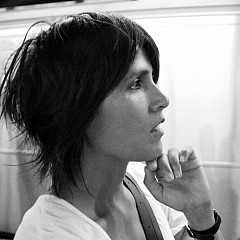
When she released her first album in 1988, Tanita became a UK singing sensation at age 19. She talks about her darkly sensual voice and quirky songwriting style.
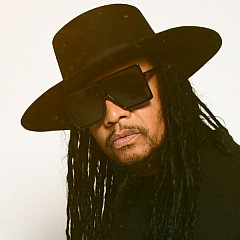
The British reggae legend tells the story of his #1 hit "Close To You," talks about his groundbreaking Shabba Ranks collaboration "Housecall," and discusses his latest project with Robin Trower.
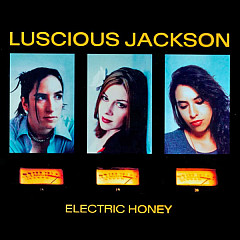
How a gym teacher, a janitor, and a junkie became part of some very famous band names.

Go beyond The Beatles to see what you know about the British Invasion.
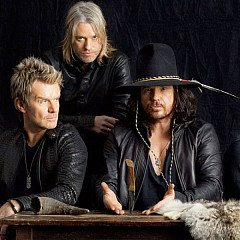
The Cult frontman tells who the "Fire Woman" is, and talks about performing with the new version of The Doors.
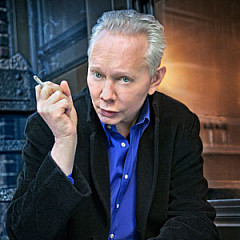
Joe talks about the challenges of of making a Duke Ellington tribute album, and tells the stories behind some of his hits.