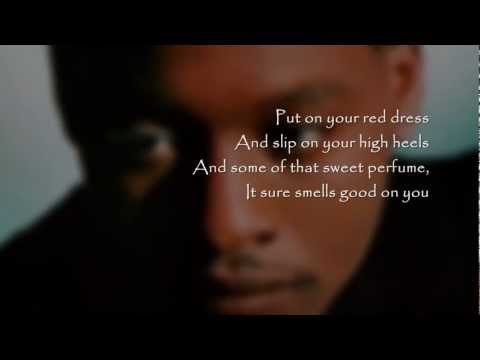

My, My, My

Album: Johnny Gill (1990)
Charted: 10
Play Video

Songfacts®:

  • R&B singer Babyface wrote this ballad with songwriter/producer Daryl Simmons, and originally performed it himself. "I did an OK version of it, but Johnny turned it into his song," he told Billboard magazine.

    Gill's version topped the R&B chart for two weeks and was the second hit single (after "Rub You the Right Way") from his first Motown album.
  • The R&B/pop vocal group New Edition had split earlier in 1990, leaving Gill to fly solo in a new deal with Motown. He had the help of industry bigwigs like producers Jimmy Jam and Terry Lewis (known for their groundbreaking work with Janet Jackson), Babyface and L.A. Reid. But Gill had his doubts about "My, My, My":

    "When I first heard 'My, My, My,' I played it for Jimmy and Terry and I played it for my godfather and I said, 'I don't really know about this song.' It was a point where I was really close to the project and nothing was 'good enough,'" he told Billboard. "When you're working with producers like Jam and Lewis and L.A. and Babyface, you're always looking for them to give you something that sounds like something they've done before. If you don't hear something that sounds like something they've done before, you think, 'Damn, I don't think they gave me their best stuff.' And what they've been so successful at doing is creating and giving everybody their own style and their own sound. And I didn't realize that was the process."
  • The song title is repeated several times throughout the song as the narrator's reaction to how "damn fine" his lover is. Babyface was looking for "something that was like the ultimate compliment, but in a more ethnic way." He found it while listening to the Winans: "Because when Marvin Winans starts to sing, he sings, 'My, my, my, my, my.' I loved the way it sounded, so I started singing 'My, my' when I would sing something, and it turned into a song."
  • Gill takes a different approach when singing ballads as opposed to uptempo songs. He explained: "I like to learn the ballads - sing them down, listen to them, live with them for a day or so, learn the words so that I can come back in and perform them as opposed to singing off the paper. The ballads become so much more intimate and personal that you make sure you put yourself completely in that mood."
  • Babyface enlisted his brothers' group After 7 to provide backing vocals.
  • Daryl Simmons was primarily the lyricist when writing with Kenneth "Babyface" Edmonds and his production partner L.A. Reid. They would then sing the track they created to the artist they were demoing it to. Simmons explained to Songwriter Universe:

    "We had the lyrics written down, and Kenny would put the melody on a tape recorder. But we could remember [the melody and lyrics]. We could sing it out of the air (to the artists). We never had a recorded demo with the vocal. We would play the track, and Kenny would go, 'Help me sing it.' Then I'd chime in. Johnny Gill then said 'Oh Man, I love it! Please let me have it!' We'd say, 'Okay, yeah it's yours.' That's pretty much what we'd do. Kenny would sing the verse, then L.A. would come in on the chorus, and that would be it. This went on [for years]. That's how we worked."

Comments

Be the first to comment...

Editor's Picks

In The Cards

In The CardsSong Writing

Songwriters have used cards and card games to make sense of heartache, togetherness, and even Gonorrhea.

Cheerleaders In Music Videos

Cheerleaders In Music VideosSong Writing

It started with a bouncy MTV classic. Nirvana and MCR made them scary, then Gwen, Avril and Madonna put on the pom poms.
Kiss

KissFact or Fiction

Kiss is the subject of many outlandish rumors - some of which happen to be true. See if you can spot the fakes.
Waiting For The Break of Day: Three Classic Songs About All-Nighters

Waiting For The Break of Day: Three Classic Songs About All-NightersSong Writing

These Three famous songs actually describe how they were written - late into the evening.

Jimmy Webb

Jimmy WebbSongwriter Interviews

Webb talks about his classic songs "By the Time I Get to Phoenix," "Wichita Lineman" and "MacArthur Park."

Adam Duritz of Counting Crows

Adam Duritz of Counting CrowsSongwriter Interviews

"Mr. Jones" took on new meaning when the song about a misguided view of fame made Adam famous.