
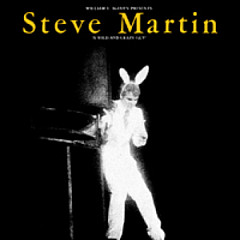
The comedian Steve Martin had a hit in 1978 with "King Tut." The Nitty Gritty Dirt Band, who Martin would open for on tour, were his backing band on the song.
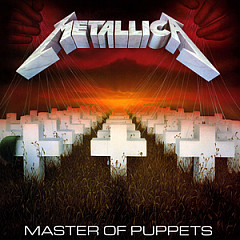
In Metallica's 1986 metal classic "Master Of Puppets," the "Master" represents drugs, controlling the user like a puppet. Lead singer James Hetfield wasn't an addict at the time, but 15 years later he needed rehab to treat his alcoholism.
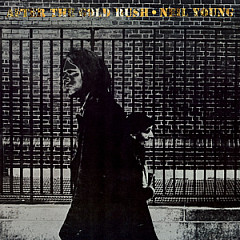
Neil Young later apologized for "Southern Man," calling it "accusatory and condescending" in its portrayal of the American South.
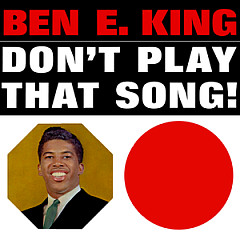
"Stand By Me" was a hit for Ben E. King when it was released in 1961, and again in 1986 after it was used in the movie of the same name.
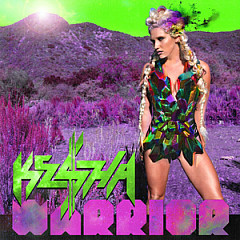
Kesha (known at the time as Ke$ha) was still pretty wild when she released her song "Crazy Kids" in 2012. It's about one of her birthday parties that got a little out of hand.

"Aberdeen" by Cage The Elephant is named after the birthplace of Kurt Cobain. It's in Grays Harbor County, Washington.
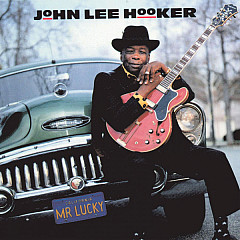
Into the vaults for Bruce Pollock's 1984 conversation with the esteemed bluesman. Hooker talks about transforming a Tony Bennett classic and why you don't have to be sad and lonely to write the blues.
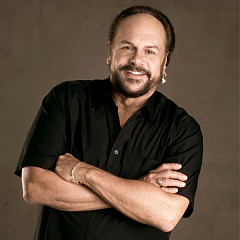
Harry Wayne Casey tells the stories behind KC and The Sunshine Band hits like "Get Down Tonight," "That's The Way (I Like It)," and "Give It Up."
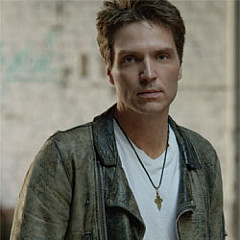
Richard explains how Joe Walsh kickstarted his career, and why he chose Hazard, Nebraska for a hit.
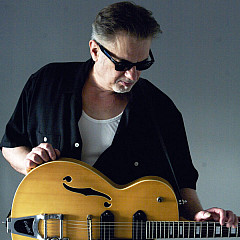
Pete produced Dwight Yoakam, Michelle Shocked, Meat Puppets, and a very memorable track for Roy Orbison.

Songs about drugs, revolution and greed that have been used in commercials for sneakers, jeans, fast food, cruises and cars.
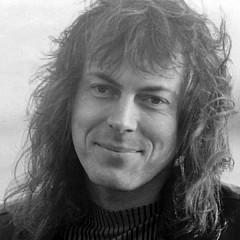
Dokken frontman Don Dokken explains what broke up the band at the height of their success in the late '80s, and talks about the botched surgery that paralyzed his right arm.