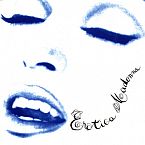
Erotica

Album: Erotica (1992)
Charted: 3 3
Play Video

Songfacts®:

  • Written with her "Vogue" collaborator Shep Pettibone, this ode to S&M introduces Madonna's sultry alter ego, Dita Parlo, who beckons listeners into a world of pleasure and pain:

    My name is Dita
    I'll be your mistress tonight
    I'd like to put you in a trance


    The real Dita Parlo wasn't quite so scandalous. She was a popular actress in French and German films of the 1930s, most notably Jean Vigo's L'Atalante, and faded from the public eye after World War II. In Madonna's hands, Dita is a sex goddess with a gold-capped tooth whose erotic exploits are cataloged in the singer's controversial Sex book. While working on the accompanying Erotica album, Pettibone suggested using the book's carnal tales for inspiration.

    "Madonna took the book and walked out of the room and didn't come back until about half an hour later," he recalled. "Suddenly she was on the mic, speaking in this very dry voice. 'My name is Dita,' she said, 'and I'll be your mistress tonight.' I knew that the original 'Erotica' would never be the same again, and it wasn't. The chorus and bridge were changed entirely and the whole psyche of the song became sexier, more to the point. It seemed as if Dita brought out the best in her, actually serving as a vehicle for the dangerous territory she was traveling."
  • The music video, directed by fashion photographer Fabien Baron, was shown just three times on MTV before it was banned. The clip features Madonna aka Dita in dominatrix gear and footage from the making of the Sex book, with guest appearances from Isabella Rossellini, Big Daddy Kane, and Naomi Campbell.

    The single was also banned from airplay and once again got the singer in hot water with the Vatican (see "Like A Prayer").
  • When asked about the change in her singing voice, Madonna told NME: "It came as a result of growing up and being more in touch with myself and singing deeper inside my chest. That had to do with my growth as a person, not wanting to be a little girl anymore. And not wanting to sound like a little girl."
  • Erotica and Sex were Madonna's first two projects after she founded the multimedia entertainment company Maverick.
  • This samples Kool and the Gang's "Jungle Boogie" and Fairuz's "El Yom 'Ulliqa 'Ala Khashaba." The Lebanese singer sued Madonna for using her vocals without her consent.
  • This was used on the 2002 Crossing Jordan episode "Wrong Place, Wrong Time."
  • Some of the album's tracks had a breezier, LA vibe, which Madonna hated. Pettibone recalled in his "Erotica Diaries" for Icon magazine: "Madonna wanted Erotica to have a raw edge to it, as if it were recorded in an alley at 123rd street in Harlem. She didn't want some light glossy production to permeate her sound. I got back into my usual style of mixing, which is pretty bass oriented, analog, hit-you-over-the head kind of stuff. When you're recording songs for Madonna, the attitude is: Either make a song work, or it's not going to be on the album. That's that."

Comments

Be the first to comment...

Editor's Picks

Pam Tillis

Pam TillisSongwriter Interviews

The country sweetheart opines about the demands of touring and talks about writing songs with her famous father.

Macabre Mother Goose: The Dark Side of Children's Songs

Macabre Mother Goose: The Dark Side of Children's SongsSong Writing

"London Bridge," "Ring Around the Rosie" and "It's Raining, It's Pouring" are just a few examples of shockingly morbid children's songs.

Rick Astley

Rick AstleySongwriter Interviews

Rick Astley on "Never Gonna Give You Up," "Cry For Help," and his remarkable resurgence that gave him another #1 UK album.

Charlie Benante of Anthrax

Charlie Benante of AnthraxSongwriter Interviews

The drummer for Anthrax is also a key songwriter. He explains how the group puts their songs together and tells the stories behind some of their classics.

The Evolution of "Ophelia"

The Evolution of "Ophelia"Song Writing

How five songs portray Shakespeare's character Ophelia.

Philip Cody

Philip CodySongwriter Interviews

A talented lyricist, Philip helped revive Neil Sedaka's career with the words to "Laughter In The Rain" and "Bad Blood."