The Weary Kind

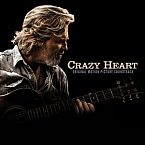
Album: Crazy Heart: Original Motion Picture Soundtrack (2009)
Play Video

Songfacts®:

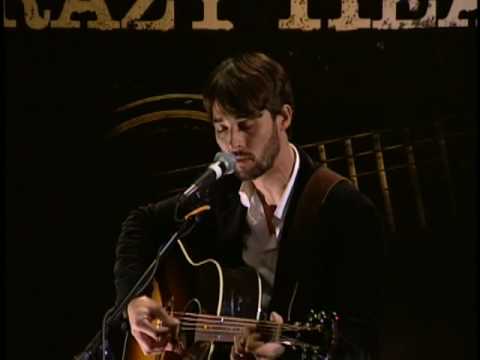
  • This T-Bone Burnett and Ryan Bingham-penned song was written for the Jeff Bridges-starring movie Crazy Heart, directed by Scott Cooper. Colin Farrell and Bridges perform renditions of the song in the film while Bingham and his Dead Horses serve as Bridges' backing band in the movie. Bingham sings the official version of the song on the Crazy Heart: Original Motion Picture Soundtrack album.
  • Alternative country artist Bingham and his Dead Horses backing band originally came to Los Angeles for some small club gigs, and at one he met a talent agent, Jack Wigam of Creative Artists Agency. When Cooper was looking for songwriters to contribute to Crazy Heart, Wigam gave Cooper some of his music. Bingham told American Songwriter magazine what happened next: "Scott called him up and said he wanted to meet me for lunch. We talked about music and Scott, who had given me the script, said, 'If you're inspired to write anything, let me know.' I went on the road right after that, read the script and started working on the song. I got home and made a rough demo and sent it to Scott, but I didn't hear for two or three weeks. Then, one day, I was home and Scott called me up and he said he was over at T-Bone's house working on some songs and wanted to know if I'd come over and meet everybody. I grabbed a copy of 'The Weary Kind' to take with me and went to T-Bone's house. The first thing he did when I walked in the door was say, 'What have you got in your hand? Let me see that record.' We all went in the living room, played the stereo loud as we could play it and they all said, 'Man, that's the song we want to use.'"
  • In the movie, Jeff Bridges' character Bad Blake is a down-and-out country music singer-songwriter who tries to turn his life around after beginning a relationship with a young journalist named Jean. (plot spoiler alert!). After breaking up with her Blake struggles to write as he tries to redeem himself in Jean's eyes by fighting his alcoholism, and he eventually produces this song, which he thinks is his best ever. Burnett told American Songwriter magazine why he thinks this song works so well. "It gives Bad a new lease on life," he said. "His creativity having been frozen, this is the thaw, this is him returning to his creative process. And it was a good song for him to be laying around on the bed singing, for him to be thinking about doing, and it had a great vibe. And it had a killer title. I was trying to get Scott to call the movie The Weary Kind, but that didn't work."
  • The song won the Academy Award for Best Original Song at the 2010 Oscars. It was the first win for both the writers though Burnett was previously nominated alongside Elvis Costello for "Scarlet Tide" from Cold Mountain The duo also won the Best Original Song at the 2010 Golden Globes for this cut.

Comments

Be the first to comment...

Editor's Picks

James Bond Theme Songs

James Bond Theme SongsMusic Quiz

How well do you know the 007 theme songs?

Hawksley Workman

Hawksley WorkmanSongwriter Interviews

One of Canada's most popular and eclectic performers, Hawksley tells stories about his oldest songs, his plentiful side projects, and the ways that he keeps his songwriting fresh.

Dave Pirner of Soul Asylum

Dave Pirner of Soul AsylumSongwriter Interviews

Dave explains how the video appropriated the meaning of "Runaway Train," and what he thought of getting parodied by Weird Al.

Tom Keifer of Cinderella

Tom Keifer of CinderellaSongwriter Interviews

Tom talks about the evolution of Cinderella's songs through their first three albums, and how he writes as a solo artist.

John Kay of Steppenwolf

John Kay of SteppenwolfSongwriter Interviews

Steppenwolf frontman John Kay talks about "Magic Carpet Ride," "Born To Be Wild," and what he values more than awards and accolades.

Brenda Russell

Brenda RussellSongwriter Interviews

Brenda talks about the inspiration that drove her to write hit songs like "Get Here" and "Piano in the Dark," and why a lack of formal music training can be a songwriter's best asset.