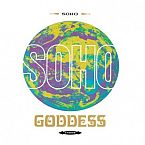
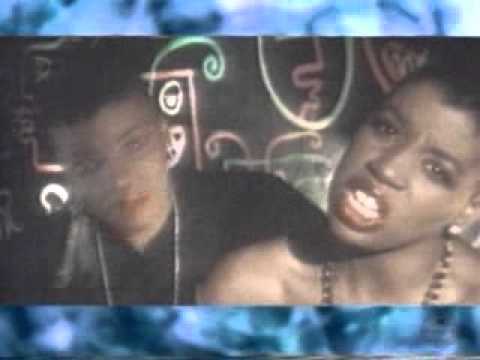
The song opens with a sample of the opening guitar riff from The Smiths' recording of "
How Soon Is Now." Tim London explained to Songfacts: "Dukey D, Soho's drummer and programmer, sampled the break from a 7-inch single I had given him of The Smith's 'How Soon Is Now,' a one-bar break he would trigger at the odd gig as a wind up for the rabid Smiths fans we often encountered. He discovered the break went well with a 'Soul To Soul' beat, a rhythm made famous by the UK soul/funk/hip hop outfit of the same name, who had sampled it, in slightly different variations from several different old soul or funk records. This beat was later picked up by the so called 'baggy' movement in the UK and used on a few tracks as it was good to hang a more traditional rock structure on, as the beat was mid-paced but sounded nervy and energized because of the slight shuffle and skip to the bass drum and snare pattern, so it fitted in to the more adventurous DJs sets which were dominated by acid house in the very late '80s.
Contrary to rumor, The Smiths didn't sue Soho - they didn't need to as Johnny Marr, The Smiths guitarist, was happy to receive 25% of the song's royalties. The 'Hippychick' riff was originally recorded by Bo Diddley (on a track called 'Hey Mona') but Marr ripped off the Rolling Stones' version of the song, although neither were credited on The Smiths' version.
Eventually the track was recorded, then remixed with some extra breaks by DJ Graham Dove (including a shuffling percussion break that made it irresistible to dance to) and an instrumental version was also mixed, a happy accident when a break from UK Asian singer Najma was triggered randomly over the top of the drums and bass, making the whole thing sound very trippy. This was the version that had an impact at the Balearic clubs on the Med in 1990 amongst the more hard core UK ravers, still in acid house mode. The DJs brought the track back to the UK, flipped the 12-inch to the A side and started playing the proper version.
'Hippychick' moved into the lower reaches of the charts, although it hit #1 in most of the general dance charts at the time. A woman at Savage/Tam Tam, our record company at the time, sent 100 copies to various radio stations in the USA, including one to a big station in Houston, Texas, where a DJ played it once and had such a good response from listeners, he played it again, eventually being inundated with requests and, over a couple of weeks Hippychick became a big hit in, first Houston, then Texas, until it had spread around the States. At that time, The Smiths were a fairly unknown group in America, beloved mainly by Anglophiles. 'Hippychick,' with its bizarrely UK-centric lyrics, was an unlikely hit, but it eventually sold the best part of a million, at the time outselling Deee-Lite's '
Groove Is in the Heart,' which was #1 (due to the charts depending on radio-play, not sales, in those days in the USA) and often being lumped in with the groovy New Yorker's single as another kooky, almost new agey-hippy thing, when it's message was something far tougher.
The record was re-released in the UK and became a hit. We played
Top Of The Pops just as the first Gulf War was kicking off, despite being told we wouldn't be allowed on unless we removed an anti-war sticker (on my guitar) and singers Jacqui and Pauline's dresses, which featured huge CND peace signs. The producers relented and, remarkably we were invited back again the following week when J & P wore dresses with huge 'censored' signs. Small statements, but satisfying when you consider the BBC forced Massive Attack to remove the 'Attack' from their name before they would allow their music to be played and when they had a list of banned songs, including 'Boom Bang a Bang' by Lulu...
All of which is a lot to write about a one hit wonder, but 'Hippychick' remains an unusual hit, from an unusual pop group who still exist and who are still very proud of the song."