Chestnut Mare

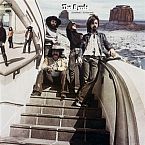
Album: (Untitled) (1970)
Charted: 121
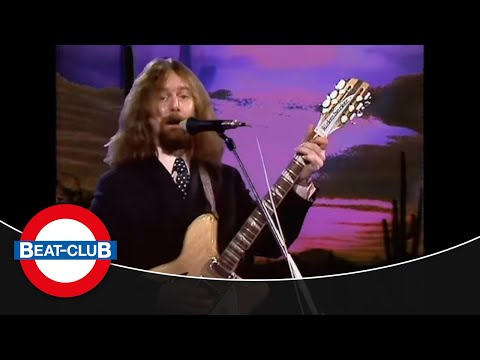
Play Video

Songfacts®:

  • In this song, Roger McGuinn is trying to catch and tame a wild horse - a beautiful chestnut mare. After tracking her for weeks, he ropes her and jumps on, but this horse doesn't want a rider. She jumps off a cliff taking him with her. When they land in a pool of water, she sheds him and runs free. Undeterred, McGuinn vows to keep going after the mare.

    The song is based on Peer Gynt, a 1867 play written by the Norwegian author Henrik Ibsen. In the play, Peer Gynt is a young boy who tells lots of fanciful tales, including one where he tracks a reindeer and goes for a crazy ride on its back. McGuinn turned the reindeer into a chestnut mare so the song would relate to listeners in America, where reindeer are only seen on Christmas. "You tend to find chestnut mares in America," McGuinn told Melody Maker. "The narrative became American, sort of old-time cowboy."
  • Roger McGuinn wrote this song with the Broadway director Jacques Levy. They started working on a stage musical adapted from the Peer Gynt, but didn't complete the project. Four of the songs they wrote for the production, including "Chestnut Mare," were included on the (Untitled) album.
  • Like many songs by The Byrds (particularly "Eight Miles High"), this one was often interpreted to be about drugs, with the wild horse a metaphor for the drug itself (a more simplistic interpretation is that it's simply an acid trip). It does make a compelling analogy, with the singer relentlessly pursuing the horse, getting hurt, then continuing his futile quest to find it again and tame it. Addicts could relate. The singer is clearly dependent on the horse and out of touch with reality, which is clear in the lines:

    And we'll be friends for life
    She'll be just like a wife


    The horse, of course, has other ideas.
  • The verses are done in a spoken-word style.
  • Roger McGuinn was very critical of his songs, but he always spoke highly of one and played it throughout his career. He called it the "most satisfying" track on (Untitled).
  • According to McGuinn, he ran out of breath on the last note, so it cuts out sooner than intended.
  • Roger McGuinn performed this song when he was part of Bob Dylan's Rolling Thunder Revue tour in 1975, culminating in a benefit concert for the boxer Rubin "Hurricane" Carter held in Madison Square Garden.

Comments: 1

  • Bruce from WashingtonYou first paragraph misinterprets the song, the horse jumps off the cliff because of a rattlesnake:

    She's runnin' along just fine, till she stops
    Something spooked her
    It's a sidewinder, all coiled and ready to strike
    She doesn't know what to do for a second
    But then she jumps off the edge
    Me holding on
see more comments

Editor's Picks

Deconstructing Doors Songs With The Author Of The Doors Examined

Deconstructing Doors Songs With The Author Of The Doors ExaminedSong Writing

Doors expert Jim Cherry, author of The Doors Examined, talks about some of their defining songs and exposes some Jim Morrison myths.
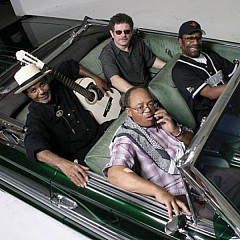
Harold Brown of War

Harold Brown of WarSongwriter Interviews

A founding member of the band War, Harold gives a first-person account of one of the most important periods in music history.
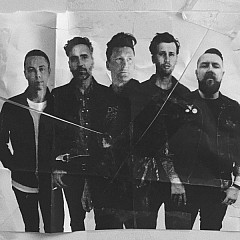
Stephen Christian of Anberlin

Stephen Christian of AnberlinSongwriter Interviews

The lead singer/lyricist for Anberlin breaks down "Impossible" and covers some tracks from their 2012 album Vital.
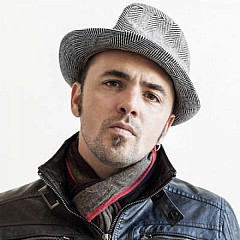
Hawksley Workman

Hawksley WorkmanSongwriter Interviews

One of Canada's most popular and eclectic performers, Hawksley tells stories about his oldest songs, his plentiful side projects, and the ways that he keeps his songwriting fresh.
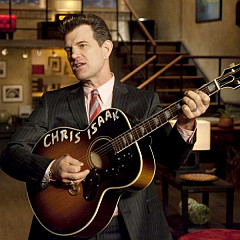
Chris Isaak

Chris IsaakSongwriter Interviews

Chris tells the story of "Wicked Game," talks milkshakes and moonpies at Sun Records, and explains why women always get their way.
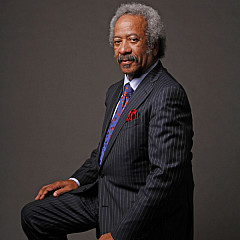
Allen Toussaint - "Southern Nights"

Allen Toussaint - "Southern Nights"They're Playing My Song

A song he wrote and recorded from "sheer spiritual inspiration," Allen's didn't think "Southern Nights" had hit potential until Glen Campbell took it to #1 two years later.