
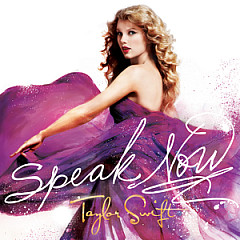
A perfume called Wonderstruck was named after a line in Taylor Swift's song "Enchanted": "I'm wonderstruck, blushing all the way home."
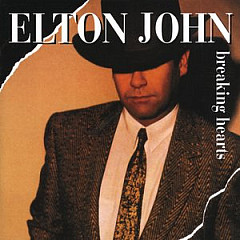
Part of Elton John's '80s resurgence was "Sad Songs (Say So Much)," which got a lot of exposure in commercials for Sasson jeans, reworked as "Sasson Says So Much." This was Elton's idea - he even got Sasson to sponsor his American tour.
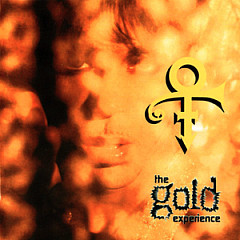
Prince released "The Most Beautiful Girl In The World" on his own label to prove he could generate a hit song whenever he wanted. He made his point: It was a big hit around the world.
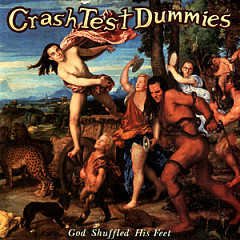
The third verse of "Mmm Mmm Mmm Mmm" by Crash Test Dummies ("they shook and lurched all over the church floor...") was inspired by girl whose parents would speak in tongues at their Pentecostal service.
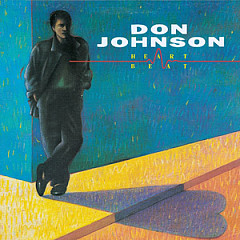
Don Johnson, who starred as Sonny Crockett in Miami Vice, was also a singer. He had a #5 hit in 1986 with "Heartbeat."
Elton John had a huge hit duetting with Kiki Dee on "Don't Go Breaking My Heart," but he's also performed it with RuPaul and Miss Piggy.
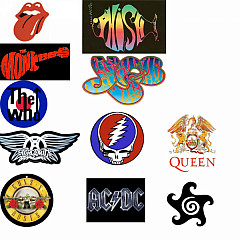
Queen, Phish and The Stones are among our picks for the best band logos. Here are their histories and a design analysis from an expert.
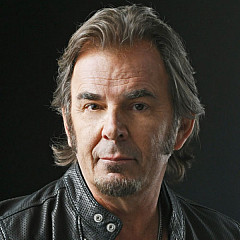
Cain talks about the divine inspirations for "Don't Stop Believin'" and "Faithfully."
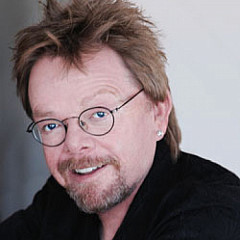
He's a singer and an actor, but as a songwriter Paul helped make Kermit a cultured frog, turned a bank commercial into a huge hit and made love both "exciting and new" and "soft as an easy chair."
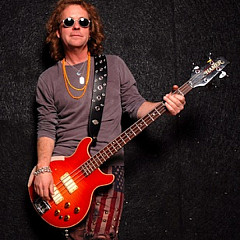
Revisit the awesome glory of Night Ranger and Damn Yankees: cheesily-acted videos, catchy guitar licks, long hair, and lyrics that are just plain relatable.
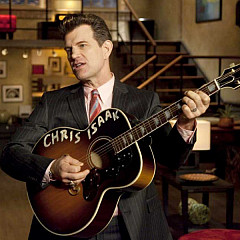
Chris tells the story of "Wicked Game," talks milkshakes and moonpies at Sun Records, and explains why women always get their way.
Billy Joel and Hall & Oates hated making videos, so they chose a director with similar contempt for the medium. That was Jay Dubin, and he has a lot to say on the subject.