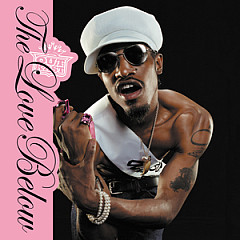
Andre 3000 played all the instruments on Outkast's "Hey Ya" except bass. Aaron Mills from Cameo played that.
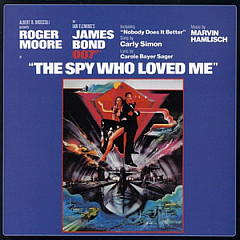
"Nobody Does It Better" by Carly Simon was used in the film The Spy Who Loved Me. It was the first James Bond song not named after the movie.
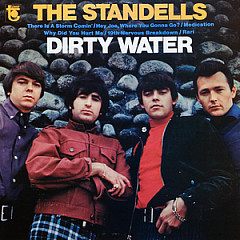
"Dirty Water" became a Boston sports anthem in the '00s, but it was written by a guy from California after almost getting mugged on a visit to the city.
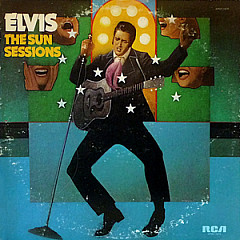
Elvis Presley' first #1 on any chart was "I Forgot To Remember To Forget." It arrived at the top of the Country tally on February 25, 1956 and stayed there for two weeks.
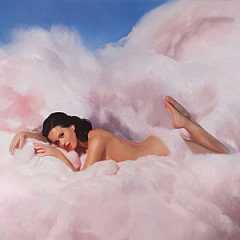
When "Last Friday Night (T.G.I.F.)" climbed to #1 on the Hot 100, Katy Perry became the first woman to send five songs from one album to the top of the charts. The four previous chart-toppers from her Teenage Dream set were "California Gurls," "Teenage Dream," "Firework" and "E.T."
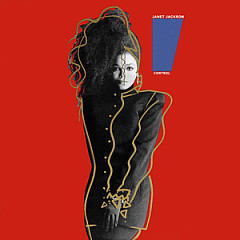
Janet Jackson wrote the lyric to "Nasty" in response to random guys calling her "baby."
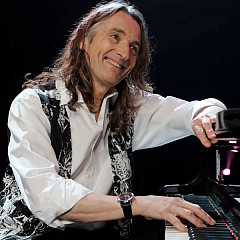
Roger tells the stories behind some of his biggest hits, including "Give a Little Bit," "Take the Long Way Home" and "The Logical Song."
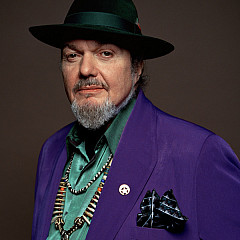
The good doctor shares some candid insights on recording with Phil Spector and The Black Keys.

Johnny Depp, Angelina Jolie, Mila Kunis and John Malkovich are just a few of the film stars who have moonlighted in music videos.
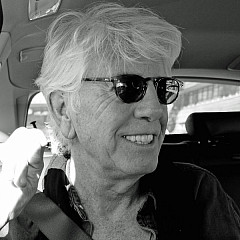
Graham Nash tells the stories behind some of his famous songs and photos, and is asked about "yacht rock" for the first time.
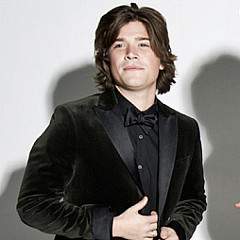
Zac tells the story of Hanson's massive hit "MMMbop," and talks about how brotherly bonds effect their music.