
The Steve Miller song "Abracadabra" was inspired by Diana Ross and The Supremes. Miller first met the girl group when they performed together on NBC's Hullabaloo in 1966, and he wrote the lyrics after spotting Diana Ross skiing years later.

The first line of "Papa Was A Rollin' Stone" is "It was the 3rd of September," which is the day lead singer Dennis Edwards' father died.
"Sing" was inspired by a girl that Ed Sheeran met in Las Vegas in the summer of 2013, when "one thing led to another and now she's kissing my mouth."
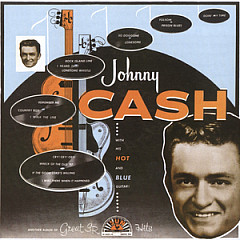
In "I Walk The Line," Johnny Cash hums before each verse. He did this to get his pitch, as the song changes key several times.
Over 60 famous guys, including Joe Jonas, Ezra Koenig and Wiz Khalifa, show up in the 2017 video for "Boys" by Charli XCX. She directed it herself, instructing the boys to "do all the sexy things that girls usually do in videos."
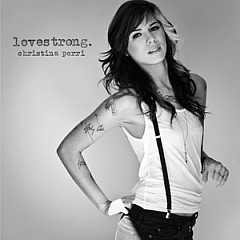
Christina Perri's "Jar Of Hearts," written about her ex, became a big hit after it was used in a routine on So You Think You Can Dance.
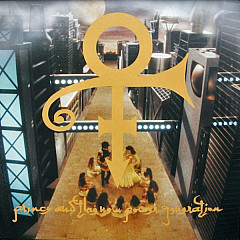
The evolution of the symbol that was Prince's name from 1993-2000.
Starting in Virginia City, Nevada and rippling out to the Haight-Ashbury, LSD reshaped popular music.
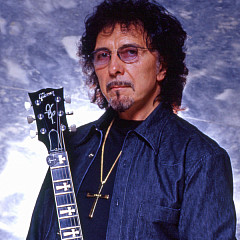
Guitarist Tony Iommi on the "Iron Man" riff, the definitive Black Sabbath song, and how Ozzy and Dio compared as songwriters.
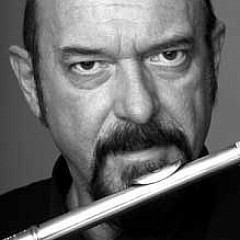
The flautist frontman talks about touring with Led Zeppelin, his contribution to "Hotel California", and how he may have done the first MTV Unplugged.
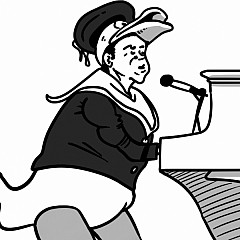
Does he have beef with Gaga? Is he Sean Lennon's godfather? See if you can tell fact from fiction in the Elton John edition.
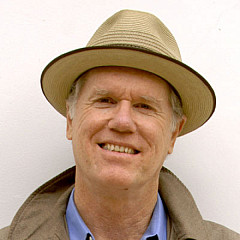
"Dead Skunk" became a stinker for Loudon when he felt pressure to make another hit - his latest songs deal with mortality, his son Rufus, and picking up poop.