

"Renegade" by Styx wasn't a big hit when it was released in 1978, but it became one of their most popular songs thanks in part to the Pittsburgh Steelers, who started playing it at home games in 2001 to fire up the team and fans.
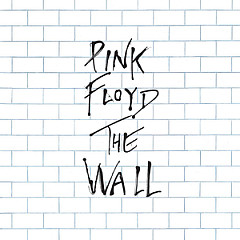
Producer Bob Ezrin convinced Pink Floyd to put a disco beat and children's chorus on "Another Brick In The Wall (Part 2)," which started out as a short interstitial for their album The Wall.
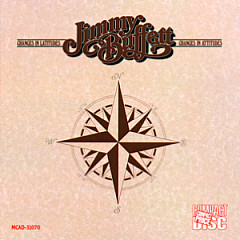
"Margaritaville" is a state of mind, but it's most associated with Key West, Florida, where Jimmy Buffett moved when he was 24.
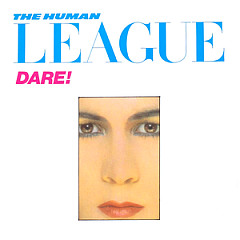
"Don't You Want Me" by The Human League was inspired by the 1976 movie A Star Is Born, which tells the story of an aging star who is upstaged by his lover/protégé. The group had just introduced two unheralded female singers into their lineup, so many assumed it was about them.
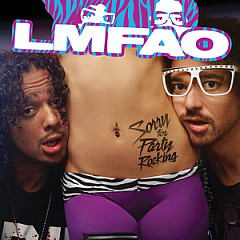
We were all party rocking in 2011 with the global smash "Party Rock Anthem," but rap fans know the "Everyday I'm shufflin'" line is a take on "Everyday I'm hustlin'" from the 2006 Rick Ross track "Hustlin'."
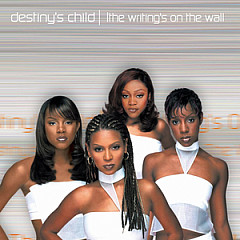
In the 1999 Destiny's Child song "Bug A Boo," they complain about a guy who bugs them on MCI, AOL, and their pagers.
How the American gangsta rappers made history by getting banned in the UK.
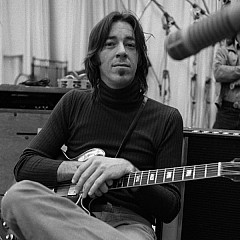
The "Lowdown" and "Lido Shuffle" singer makes a habit of playing with the best in the business.
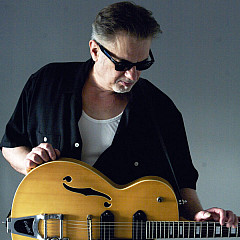
Pete produced Dwight Yoakam, Michelle Shocked, Meat Puppets, and a very memorable track for Roy Orbison.
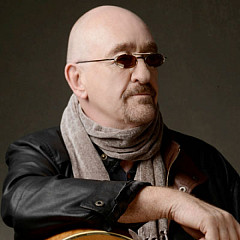
Dave reveals the inspiration for "Feelin' Alright" and explains how the first song he ever wrote became the biggest hit for his band Traffic.
Christopher Cross with Deep Purple? Kenny Loggins in Caddyshack? A Fact or Fiction all about yacht rock and those who made it.
The Canadian superstar talks about his sudden rise to fame, and tells the stories behind his hits "Sunglasses At Night," "Boy In The Box" and "Never Surrender."