
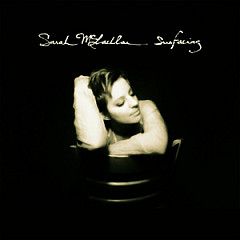
Sarah McLachlan wrote "Angel" about the Smashing Pumpkins touring keyboard player Jonathan Melvoin, who overdosed on heroin and died in 1996.
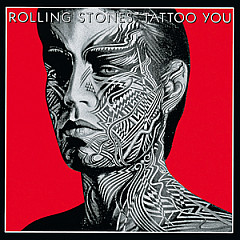
One of the first hit songs used in a major marketing campaign was "Start Me Up" by The Rolling Stones. Microsoft paid $3 million to use it in commercials for Windows '95.
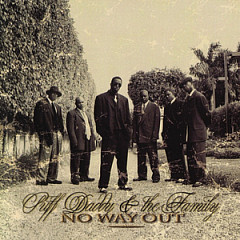
Puff Daddy didn't get permission to sample the Police song "Every Breath You Take" on his Notorious B.I.G. tribute "I'll Be Missing You," but he later reached an agreement and even performed the song with Sting.
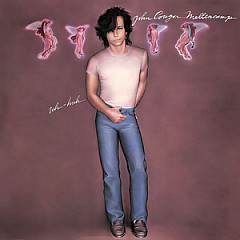
John Mellencamp considers "Pink Houses" an "anti-American song," laying bare the struggles of the poor and working class.
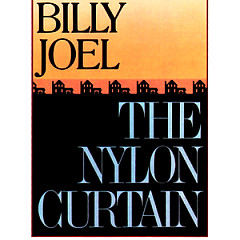
Billy Joel's song "Allentown" was written as "Levittown," which is the town in Long Island where he grew up. He got the idea to change it after taking a trip to Pennsylvania.
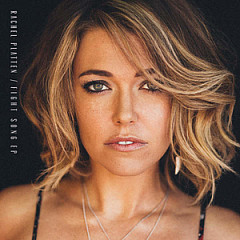
Rachel Platten refused to talk politics when her "Fight Song" became the anthem for Hillary Clinton's 2016 presidential campaign, a decision she came to regret.
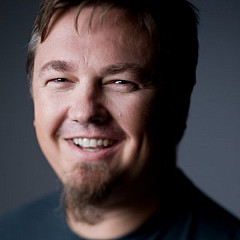
"I'll Be" was what Edwin called his "Hail Mary" song. He says it proves "intention of the songwriter is 180 degrees from potential interpretation by an audience."
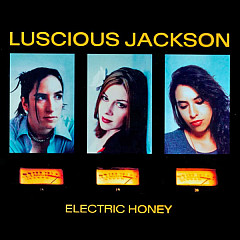
How a gym teacher, a janitor, and a junkie became part of some very famous band names.
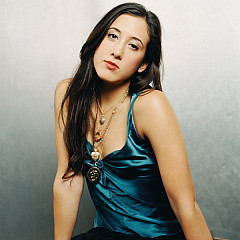
The "A Thousand Miles" singer on what she thinks of her song being used in White Chicks and how she captured a song from a dream.
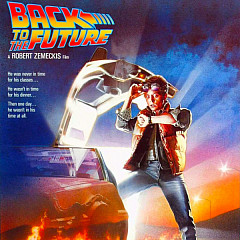
Bradley Cooper, Michael J. Fox, Rami Malek, Reese Witherspoon, Gwyneth Paltrow and George Clooney: Which actors really sang in their movies?
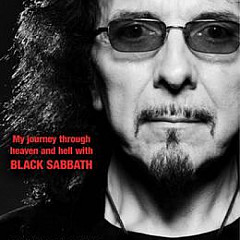
Dwarfs on stage with an oversize Stonehenge set? Dabbling in Satanism? Find out which Spinal Tap-moments were true for Black Sabbath.
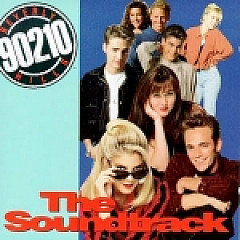
Shows like Dawson's Creek, Grey's Anatomy and Buffy the Vampire Slayer changed the way songs were heard on TV, and produced some hits in the process.