
Elton John had a huge hit duetting with Kiki Dee on "Don't Go Breaking My Heart," but he's also performed it with RuPaul and Miss Piggy.

"Doo Wop (That Thing)" by Lauryn Hill was the only US #1 hit of the '90s entirely written, produced and performed by a female singer.

When it topped the chart in 2012, Dierks Bentley's "5-1-5-0" became the first #1 Country hit with a title that's all numbers.
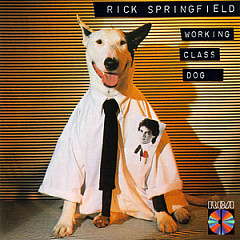
"Jessie's Girl" was the #1 song in America when MTV went on the air. They put it in hot rotation right away, making the song even more popular.
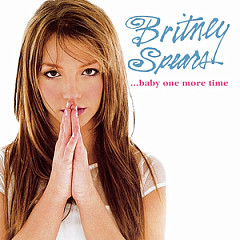
Britney Spears was just 16 when her first single, "Baby One More Time," was released. She quickly became a top search term on something called The Internet.
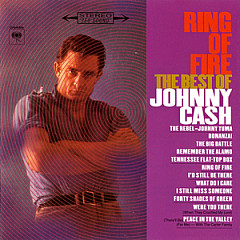
Johnny Cash's wife, June Carter, wrote "Ring Of Fire" about their relationship.
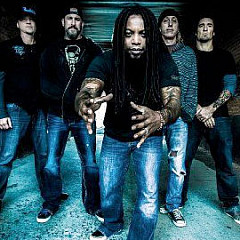
The Sevendust frontman talks about the group's songwriting process, and how trips to the Murder Bar helped forge their latest album.
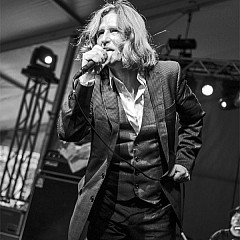
"Missing You" was a spontaneous outpouring of emotion triggered by a phone call. John tells that story and explains what MTV meant to his career.

The top chant artist in the Western world, Krishna Das talks about how these Hindu mantras compare to Christian worship songs.
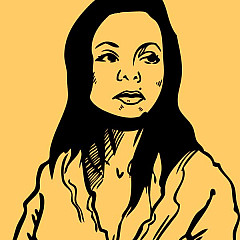
Was Janet secretly married at 18? Did she gain 60 pounds for a movie role that went to Mariah Carey? See what you know about Ms. Jackson.
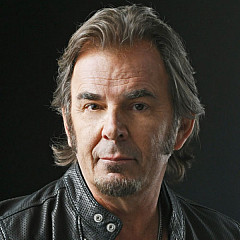
Cain talks about the divine inspirations for "Don't Stop Believin'" and "Faithfully."

Dan cracked the Top 40 with "Ritual," then went to India and spent 2 hours with the Dalai Lama.