
U2’s new song, “Silencio”, sounds like classic rock. But the Irish band emerged during the late-1970s punk and post-punk explosion. And those forms, like rock and roll, were a rebellion against what came before. Still, that didn’t stop U2 from eventually becoming one of history’s most durable classic rock institutions.
So while the world awaits U2’s upcoming LP, Carnaval De Luz, let’s visit the early days of Bono, The Edge, Adam Clayton, and Larry Mullen Jr., and three songs that reveal the post-punk roots of U2.
“I Will Follow”
The opening track on U2’s debut album is an announcement wrapped inside a song. Yes, the title describes unconditional love, which Bono had written about his late mother, who had died when he was a young teen. But The Edge’s piercing guitar riff is another kind of announcement. With the sharp energy of Siouxsie And The Banshees’ guitarist, John McKay, The Edge launched an opening post-punk salvo. U2 already sounded like a future stadium band bursting at the seams on their humble debut.
“Gloria”
Echoing Van Morrison’s garage rock anthem of the same name, the first track on October sounds like Joy Division if you had replaced Ian Curtis’s bleak lyrics with hope. In Joy Division’s best-known song, Curtis repeats that love will tear us apart. But “Gloria” feels like the reverse sentiment: Love will bring us together. Meanwhile, atop an angular post-punk groove, Bono submits in a kind of punk Latin toward a higher power, a girl, or both.
“Sunday Bloody Sunday”
U2’s third album, War, arrived in 1983. This time, they open with a battle cry for peace. Rejecting the then-ongoing violence in Northern Ireland, like many U2 songs, the message is aimed at a global audience. You can hear echoes of The Clash as U2 begins what became a long history of turning a parochial protest into a universal anthem.
Also, Mullen’s drumming on “Sunday Bloody Sunday” threads a stiff-armed post-punk beat with the sound of everyday people taking their protest to the streets. And marching in time, both The Edge and Adam Clayton play weaving guitar and bass parts that didn’t originate in the classic rock tradition. Then there’s Bono, connecting the political rage of Joe Strummer to the street poetry of Patti Smith. This is the sound of U2 in its scrappy early days.
Photo by Lynn Goldsmith/Corbis/VCG via Getty Images
More Lists
-
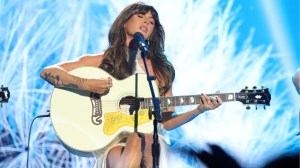
Photo by Kevin Mazur/Getty Images for ACM -
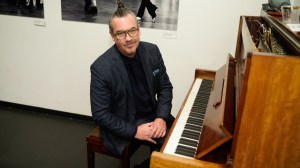
Photo by Rob Kim/Getty Images -
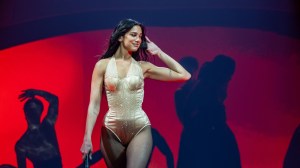
Photo by Dave Simpson/Getty Images -
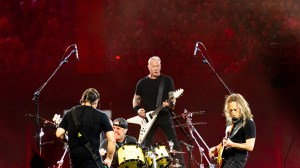
Photo by Mike Lewis Photography/Redferns -
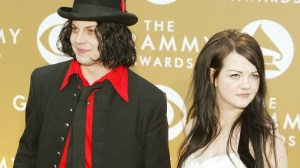
Photo by Kevin Winter/Getty Images -
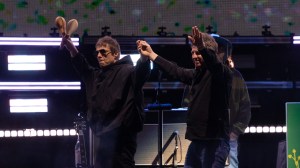
Photo credit should read Chris Putnam/Future Publishing via Getty Images -
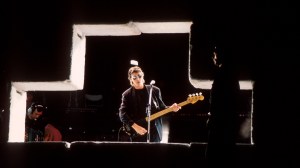
Roger Waters, formerly of Pink Floyd, performs on stage at the Wall concert, Berlin, Germany, 21st July 1990. (Photo by Michael Putland/Getty Images) -
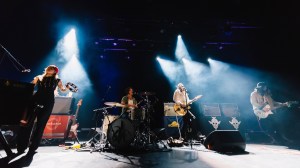
Photo by Naomi Rahim/WireImage