
In 2006, My Chemical Romance released their third album, The Black Parade, presenting a grandiose rock opera that was completely different from the typical emo fare of the early 2000s. As a result, the band solidified themselves as one of the biggest of the scene while also bringing them to the mainstream. The album peaked at No. 2 on the charts. It eventually hit No. 1 when an anniversary edition was released 20 years later.
“When it was done, I knew that we’d created a monster,” frontman Gerard Way said of the project, which pushed the band to its breaking point.
Like the band’s previous releases, I Brought You My Bullets, You Brought Me Your Love and Three Cheers for Sweet Revenge, The Black Parade is a concept album, but in Way’s own words, it’s “the tightest” of the three.
‘The Black Parade’ Explained
The Black Parade follows a young man known as “The Patient.” He has terminal cancer and is at the end of his life. The album opens with a monitor beeping on “The End” and transitions into flatlining on “Dead!” as The Patient dies and begins his journey to the afterlife. “This Is How I Disappear” follows The Patient and a former lover as they communicate through a séance. In “The Sharpest Lives”, The Patient examines some of the uglier parts of his life, particularly struggles with excessive drinking.
The album’s centerpiece, “Welcome To The Black Parade”, sees The Patient reliving a notable childhood memory of a marching band in a parade as he dies. That was an idea that came from Way’s personal beliefs about what happens when we die.
“I’d like to think that when you die death comes for you however you want, and I feel that it’s your strongest memory – either from childhood or adulthood,” Way explained.
The Patient continues to look back on his life throughout the album. In “House of Wolves” and “Mama,” he’s forced to face his mistakes with a trip to Hell. In “Disenchanted,” he continues to look back on his life. “Cancer” addresses his illness and death.
As with prior albums by My Chemical Romance, not all songs fit perfectly into the story. Some seem to stand alone, while others have double meanings. “Dead!”, for example, also addresses the band’s reaction to criticism. Likewise, “I Don’t Love You” is about fans who turned on them. But this is part of what has made The Black Parade such a success. And that’s why it still resonates years later.
Photo by Michael Loccisano/FilmMagic
More Features
-
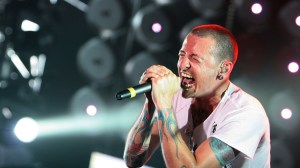
Photo by Junko Kimura/Getty Images -

Photo by Ebet Roberts/Redferns -
Photo by Kevin Mazur/Getty Images for Victoria's Secret -

Photo by Dan Kitwood/Getty Images -
Photo by Müller-Schneck/ullstein bild via Getty Images -
Photo by Koh Hasebe/Shinko Music/Getty Images -

Photo by Gareth Cattermole/Getty Images -

Photo by Stephen Lovekin/Getty Images for M2M Construction