
Pop culture of the 1980s helped shape everyday life for the decade. A hit song paired with a music video on MTV was all it took to gain a large following of similarly dressed fans. Here are four songs that defined the decade but almost never got released.
“Tempted” by Squeeze
In 1981, Squeeze was nearly finished recording their album East Side Story. The band had already recorded the song “Tempted” and was working on other tracks for the album. In between takes, the group jokingly played a slowed-down Motown version of “Tempted” in a Temptations-like fashion. Producer Elvis Costello busted into the studio, insisting that the group record this version. Initially, Glenn Tilbrook sang the song. Instead, Costello recommended new keyboardist Paul Carrack take over. Carrack’s vocals complemented the track perfectly. This version of the song became the band’s biggest hit.
“99 Luftballons” by Nena
Initially, CBS Records didn’t think “99 Luftballons” fit the criteria to be a hit, lacking a chorus and having a long instrumental intro. Originally recorded in German, an English translation was recorded and intended for release in the US. Ultimately, the band disapproved of this version, as the translation didn’t work as well as expected and altered some meaning of the song. In 1983, DJs in Los Angeles discovered the original German version of the song and began playing it on the radio. This version made its way to No. 2 on the Billboard Hot 100, while the US English language version never charted.
“Don’t You (Forget About Me)” by Simple Minds
Heard in the opening scene and closing credits of The Breakfast Club, this Simple Minds song became a staple of 1980s pop culture. Surprisingly, Simple Minds had declined to record the song, preferring to work on original music instead. The song was then offered to “Sunglasses at Night” singer Corey Hart and then to rock singer Billy Idol. Both declined, and the song was once again offered to Simple Minds. At the time, Simple Minds lead singer Jim Kerr was dating Pretenders lead singer Chrissie Hynde. Hynde persuaded Kerr to take on the song by simply asking him, “Why not?” to which Jim Kerr conceded. The song became the group’s most successful song, helping establish the group in the center of 80’s pop culture.
“Gloria” by Laura Branigan
Umberto Tozzi’s “Gloria” became an Italian hit in 1979. Laura Branigan’s producer suggested she cover the song in 1982. The song’s title nearly changed to “Mario” to cater to a US audience. Branigan’s team considered the song a risk and sought to release a slower, more romantic version of the song about a man. That version was labeled ineffective and abandoned. Subsequently, the upbeat pop version we know today was released. “Gloria” became Laura Branigan’s signature song.
More Lists
-

Photo by Stuart Westwood/SOPA Images/LightRocket via Getty Images -
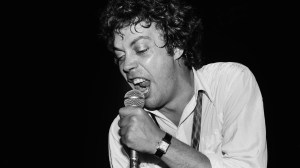
British actor and singer Tim Curry performing live, Canada, 1979. (Photo by Peter Noble/Redferns) -
Photo by Daniel Knighton/Getty Images -
Photo by Myrna Suarez/Getty Images -

Photo by Victor Fraile/Getty Images -

Photo by Terry Wyatt/Getty Images for Spotify -
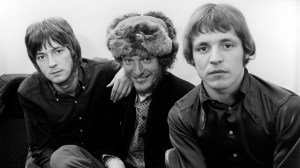
From left, Eric Clapton, Ginger Baker (1939-2019) and Jack Bruce (1943-2014) of British rock group Cream posed in their dressing room at Associated Rediffusion's Wembley Television Studios in north west London on 4th November 1966. Cream are booked to perform the songs 'Wrapping Paper' and 'N.S.U' on the music television show Ready Steady Go! at the studios. (Photo by Ivan Keeman/Redferns) -
Photo by Jeff Kravitz/FilmMagic