
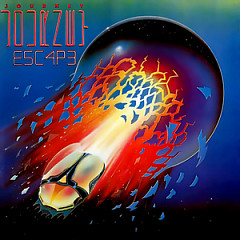
The "Don't Stop Believin'" resurgence started when the Journey song was used in a roller skating scene of the 2003 movie Monster.

The most intense song we know that deploys a cowbell is "Killing In The Name," the most popular song by Rage Against The Machine. Their drummer kept a cowbell on his kit and used it in some of their recordings.
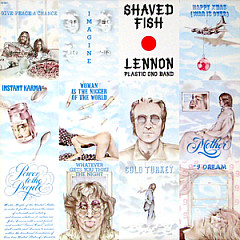
"Happy Xmas (War Is Over)" is based on billboards John Lennon and Yoko Ono posted two years earlier declaring "War Is Over! If You Want It."
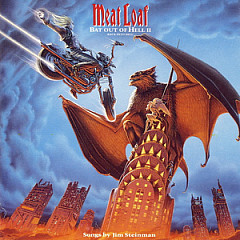
In Meat Loaf's "I'd Do Anything For Love (But I Won't Do That)" what he won't do is a list of six items in the lyrics, including "Forget the way you feel right now" and "Be screwing around."
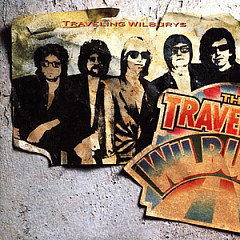
"Handle With Care" started as a George Harrison song with guest appearances by Roy Orbison, Bob Dylan, Tom Petty and Jeff Lynne, but it went so well the five of them decided to form a group - The Traveling Wilburys - and record an entire album.
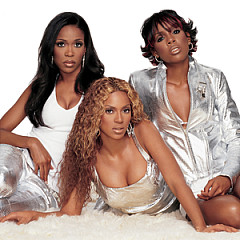
In 2004, the word "Bootylicious" made the Oxford English Dictionary, three years after the Destiny's Child song was released. Definition: "Blend of booty buttocks and delicious."
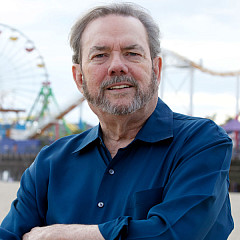
Webb talks about his classic songs "By the Time I Get to Phoenix," "Wichita Lineman" and "MacArthur Park."
Not everyone can be a superhero, but that hasn't stopped generations of musicians from trying to be Superman.
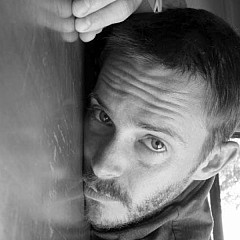
The "All I Want" singer went through a long depression, playing some shows when he didn't want to be alive.
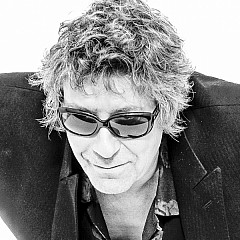
Psychedelic Furs lead singer Richard Butler talks about their first album since 1991 and explains what's really going on in "Pretty In Pink."
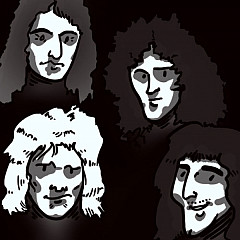
Scaramouch, a hoople and a superhero soundtrack - see if you can spot the real Queen stories.
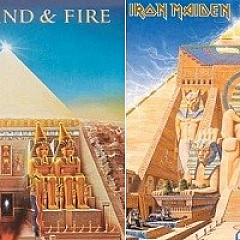
Some album art was at least "inspired" by others. A look at some very similar covers.