


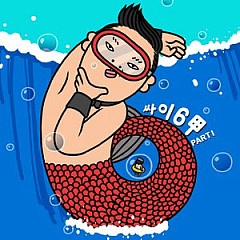
YouTube had to upgrade after PSY's "Gangnam Style" broke their hit counter in 2012. Once the video reached 2,147,483,647 views, the maximum positive value for a 32-bit signed binary integer in computing, the view-counter could no longer work.

"Doo Wop (That Thing)" by Lauryn Hill was the only US #1 hit of the '90s entirely written, produced and performed by a female singer.

"Here Comes Your Man" is the closest the Pixies came to a hit in America. It was rumored to be about a drug dealer, but Black Francis says it's just a story about some hobos who travel by train and die in an earthquake.
"At This Moment" was first released by Billy Vera & the Beaters in 1981, and hit #79. After it was used in two episodes of Family Ties in 1985-1986, it went to #1.
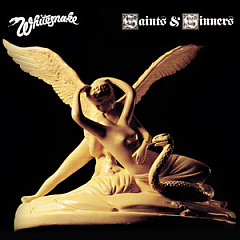
"Here I Go Again" was a #1 hit for Whitesnake in 1987, but it was first released in 1982 with the lyric, "Like a hobo I was born to walk alone."
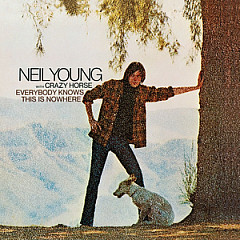
Neil Young was married when he wrote "Cinnamon Girl," which clearly was not about his wife. He had a hard time explaining it to her.
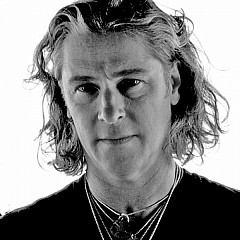
The stories behind "Shine," "December," "The World I Know" and other Collective Soul hits.

Julian tells the stories behind his hits "Valotte" and "Too Late for Goodbyes," and fills us in on his many non-musical pursuits. Also: what MTV meant to his career.

Elvis, Little Richard and Cheryl Cole have all sung about Teddy Bears, but there is also a terrifying Teddy song from 1932 and a touching trucker Teddy tune from 1976.
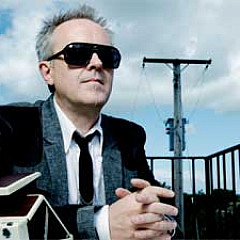
Howard explains his positive songwriting method and how uplifting songs can carry a deeper message.
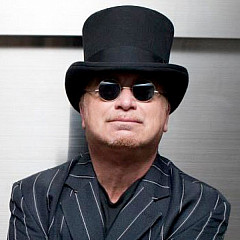
Toto's keyboard player explains the true meaning of "Africa" and talks about working on the Thriller album.
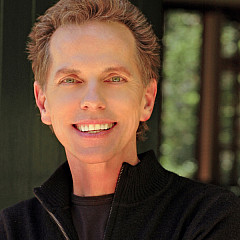
Dean wrote the screenplay and lyrics to all the songs in Footloose. His other hits include "Fame" and "All The Man That I Need."