

Taio Cruz throws his hands up "sometimes" in "Dynamite" because the song was originally written about surrender.
"Yellow" by Coldplay is a deep, meaningful song, but the title has a rather prosaic origin: it came from the phone directory, known as "the yellow pages."
Train wrote the 2011 song "Brand New Book" for the TV show The Biggest Loser - part of the song was used in the opening credits.
"99 Luftballons" by Nena is about a Cold War scare when balloons showed up on radar and were mistaken as a nuclear threat.
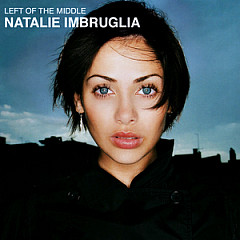
"Torn" by Natalie Imbruglia was first recorded by the group Ednaswap in 1993. It was written by Ednaswap's Anne Previn and Scott Cutler, who went on to write some hits for Miley Cyrus.
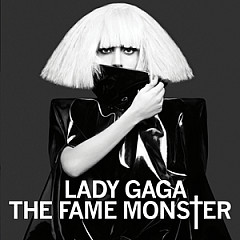
The songs on Lady Gaga's The Fame Monster album represent a "fear" of some "monster." "Alejandro" is her "fear of sex" monster.
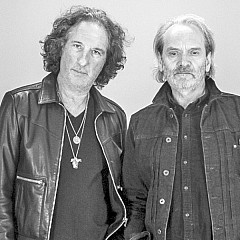
'80s music ambassadors Wang Chung pick their top tracks of the decade, explaining what makes each one so special.
Scaramouch, a hoople and a superhero soundtrack - see if you can spot the real Queen stories.

Ian talks about his 3 or 4 blatant attempts to write a pop song, and also the ones he most connected with, including "Locomotive Breath."
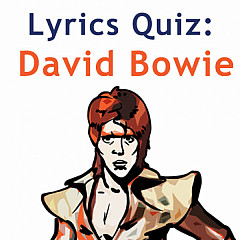
How well do you know your David Bowie lyrics? Take this quiz to find out.
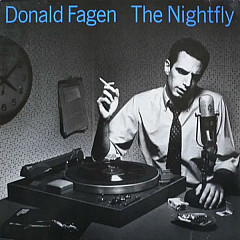
Fagen talks about how the Steely Dan songwriting strategy has changed over the years, and explains why you don't hear many covers of their songs.
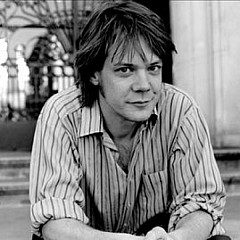
Dave explains how the video appropriated the meaning of "Runaway Train," and what he thought of getting parodied by Weird Al.