Sue Me

Album: Who's the Clown? (2026)
Charted: 21
Play Video

Songfacts®:

  • After finding her footing as a songwriter collaborating with childhood best friend Gracie Abrams, Audrey Hobert stepped into the spotlight as a solo artist with "Sue Me," a witty, shamelessly candid dance-pop anthem about reconnecting with an ex.

    "The song is about knowing that my ex-boyfriend was still in love with me, but being out at a party with him and deciding not to care whether or not sleeping with him was going to affect him negatively or lead him on, because I was in the mood," said Hobert.
  • Released on May 9, 2025, as the lead single from her debut album, Who's the Clown?, "Sue Me" quickly established the singer's irreverent artistic voice. Speaking to Billboard, Hobert said there was "never a world" in which she wouldn't be brash and bold in expressing herself. Though she knew some listeners might dismiss the song as "bad or stupid," she insisted it had to introduce her as an artist. Her reasoning was characteristically straightforward: "It's good because it's bad."
  • The song originated during one of Hobert's earliest writing sessions with her producer, Ricky Gourmet. The pair were talking in his kitchen about her recent encounter with her ex when Hobert casually blurted out the phrase, "Sue me, I wanna be wanted."

    She quickly realized it fit the melody they had been developing. "It was the fifth song I ever wrote alone and one of the first I made with my producer Ricky Gourmet," she told Cosmopolitan. "I was with Ricky the week after I had slept with my ex, who I knew still had feelings for me. I felt pretty bad about it, although it was a nice evening with him, because deep in my heart, I knew I didn't feel the same way."
  • Hobert also directed the song's music video. The clip shows the singer dancing with a joyful lack of self-consciousness alongside actor and professional clown Guilford Adams and producer Ricky Gourmet. Its homemade aesthetic grew out of a TikTok teaser campaign in which Hobert filmed herself in her bedroom dancing awkwardly to the track, allowing no more than three takes per clip. The result was intentionally imperfect, which in an era of carefully curated online personas felt almost rebellious.
  • "Sue Me" became Hobert's first Billboard chart hit when it debuted at #39 on the Pop Airplay chart in July 2025. The song received another boost roughly a year later when it appeared in Episode 6 of the Amazon Prime Video series Off Campus, soundtracking a scene between characters Allie and Dean.
  • Sue me, I wanna be sued

    When "Sue Me" was first released, fans mishearing the lyrics thought Hobert sang "Sue me, I wanna be sushi." The joke took hold and became an inside running gag in her fandom - fans quickly embraced "Sushis" as a nickname for themselves as a result. Hobert addressed the mishearing on TikTok, saying she was glad people heard "sushi" and not something she truly dislikes such as stewed tomatoes.

Comments

Be the first to comment...

Editor's Picks

Melanie

MelanieSongwriter Interviews

The singer-songwriter Melanie talks about her spiritual awakening at Woodstock, "Brand New Key," and why songwriting is an art, not a craft.
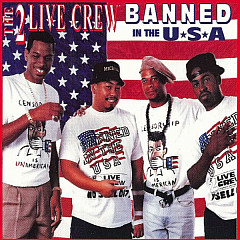
Arrested For Your Art - The Story Of 2 Live Crew's "Obscene" Album

Arrested For Your Art - The Story Of 2 Live Crew's "Obscene" AlbumSong Writing

In the summer of 1990, you could get arrested for selling a 2 Live Crew album or performing their songs in Southern Florida. And that's exactly what happened.
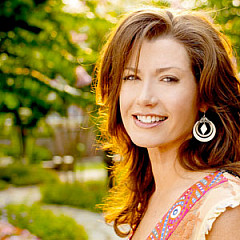
Amy Grant

Amy GrantSongwriter Interviews

The top Contemporary Christian artist of all time on song inspirations and what she learned from Johnny Carson.
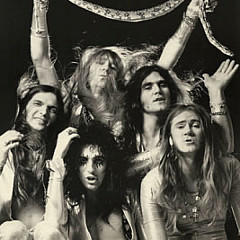
Neal Smith - "I'm Eighteen"

Neal Smith - "I'm Eighteen"They're Playing My Song

With the band in danger of being dropped from their label, Alice Cooper drummer Neal Smith co-wrote the song that started their trek from horror show curiosity to the Rock and Roll Hall of Fame.

The Evolution of "Ophelia"

The Evolution of "Ophelia"Song Writing

How five songs portray Shakespeare's character Ophelia.

David Gray

David GraySongwriter Interviews

David Gray explains the significance of the word "Babylon," and talks about how songs are a form of active imagination, with lyrics that reveal what's inside us.