Bodyguard

Album: Cowboy Carter (2024)
Charted: 26
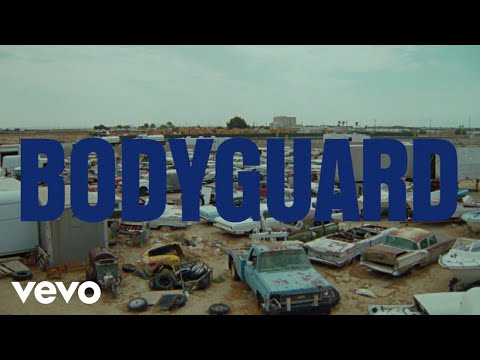
Play Video

Songfacts®:

  • Forget damsels in distress, "Bodyguard" finds Beyoncé offering fierce protection to her partner. The Texan superstar promises to ride shotgun through tough times, deflect negativity like a Kevlar vest shielding him from gossip, and maintain composure under pressure, acting as his emotional lifeguard.

    It's not the first time Beyoncé has put her life on the line for love. 2002's "'03 Bonnie And Clyde" and 2015's "Part II (On The Run)" both have similar themes.
  • The song speaks to the depth of Beyoncé's fierce love for Jay-Z, fitting seamlessly into her sprawling collections of love odes to her husband. Think of it as a companion piece to classics like "End Of Time" and " Love On Top."
  • Some fans speculated that Beyoncé might have drawn inspiration from her longtime bodyguard, Julius, a constant presence throughout her career.
  • "Bodyguard" is the eighth track on Cowboy Carter, the second installment of Beyoncé's trilogy project conceived during the COVID-19 pandemic, following Renaissance. The album explores the Black roots of country music. As in other areas on the record, this song sees Beyoncé flipping traditional roles, in this instance showing up as a woman doing duty as bodyguard for a man.
  • The "Bodyguard" title is a playful nod to Whitney Houston's iconic film and soundtrack of the same name, which famously featured her unforgettable cover of Dolly Parton's "I Will Always Love You." This connection becomes even more intriguing when you consider the placement of the song on the Cowboy Carter tracklist. It precedes both the Dolly Parton collaboration "Dolly P" and Beyoncé's take on "Jolene," creating a thematic thread that weaves through these tracks.
  • Beyoncé joined forces with co-writers Ryan Beatty, Leven Kali, Elizabeth Lowell Boland, and Mamii to pen "Bodyguard." But the mastermind behind the song's sonic landscape is Raphael Saadiq, who also takes on the producer role.

    Saadiq first rose to fame in the late '80s as part of the soul/R&B trio Tony! Toni! Toné! His solo career flourished with hits like "Ask Of You," solidifying his reputation as a talented musician. But Saadiq's true strength lies in his production work. He's collaborated with a diverse range of artists, including D'Angelo, Whitney Houston (another Whitney connection!), and Erykah Badu. Saadiq previously left his mark on Renaissance as a producer, writer, and performer on a couple of tracks.
  • Saadiq's production is a sonic cocktail that blends elements of West Coast surf rock with a dash of '90s country revival. The resulting laid-back, groovy soundscape complements the themes of fierce love and unwavering support explored in the song.
  • While uncredited, rumors swirled that Taylor Swift lends her voice to the track in the background vocals. Though there was no official confirmation from Beyoncé or her team, fans picked up on subtle notes in the song's harmonies.
  • This was one of four songs Ryan Beattie co-wrote for Cowboy Carter. The lyric "Sometimes I hold you closer just to know you're real" is one of his favorite lines that he penned for the record.

    "Melody and lyric together can make something feel so much more beautiful," he told Billboard. "I think that melody, the way she sings it, and the line itself feels cute and intimate. I love that part of the song."

Comments

Be the first to comment...

Editor's Picks

Ian Anderson: "The delight in making music is that you don't have a formula"

Ian Anderson: "The delight in making music is that you don't have a formula"Songwriter Interviews

Ian talks about his 3 or 4 blatant attempts to write a pop song, and also the ones he most connected with, including "Locomotive Breath."

Queen

QueenFact or Fiction

Scaramouch, a hoople and a superhero soundtrack - see if you can spot the real Queen stories.

Johnette Napolitano of Concrete Blonde

Johnette Napolitano of Concrete BlondeSongwriter Interviews

The singer/bassist for Concrete Blonde talks about how her songs come from clairvoyance, and takes us through the making of their hit "Joey."

80s Video Director Jay Dubin

80s Video Director Jay DubinSong Writing

Billy Joel and Hall & Oates hated making videos, so they chose a director with similar contempt for the medium. That was Jay Dubin, and he has a lot to say on the subject.

Amanda Palmer

Amanda PalmerSongwriter Interviews

Call us crazy, but we like it when an artist comes around who doesn't mesh with the status quo.

Philip Cody

Philip CodySongwriter Interviews

A talented lyricist, Philip helped revive Neil Sedaka's career with the words to "Laughter In The Rain" and "Bad Blood."