Obviously 5 Believers

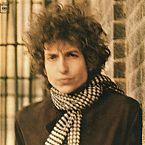
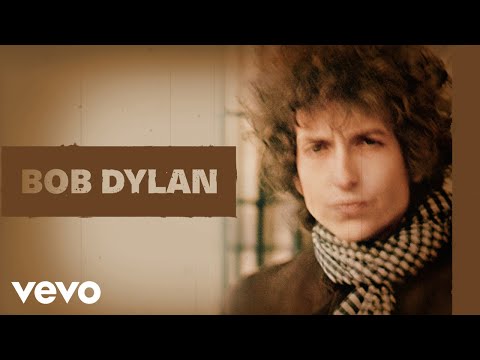
Album: Blonde on Blonde (1966)
Play Video

Songfacts®:

  • "Obviously 5 Believers" (also known as "Obviously Five Believers") is a 12-bar electric blues number about loneliness, romantic separation, and the peculiar things that happen when Bob Dylan is left alone with his thoughts. He calls for his lover to come home "early in the morning," insisting he could probably manage without her if he "just didn't feel so all alone." It is not a complicated emotional argument, but Dylan has never been one to let a simple feeling stay simple for long.
  • Like much of the electric blues material on Blonde on Blonde, the song is driven more by mood and attitude than by a carefully plotted narrative. Dylan recycles familiar blues phrases such as "early in the mornin'" while throwing in a procession of surreal images, including "15 jugglers, five believers, all dressed like men." It is the sort of lyric that makes perfect sense until you stop to think about it, at which point it becomes apparent that you have wandered into a Dylan song and should probably stop asking for a map.
  • Black dog barkin'
    Yes, he is now
    Yes, he is
    Outside my yard


    The black dog has a long history as a metaphor for depression and oppressive moods, most famously associated in modern times with Winston Churchill's descriptions of his own depressive episodes. Dylan leaves the meaning deliberately loose. He even sings that he could tell you what the black dog means "if I just didn't have to try so hard," effectively acknowledging that sometimes the effort required to explain a feeling is greater than the feeling itself. The dog may be real, symbolic or simply a dog with unusually good timing.
  • "Obviously 5 Believers" closes Side 3 of Blonde on Blonde. A straight ahead electric blues cut, its main job is to keep the back half of the album cooking, rather than to break new lyrical ground.
  • The song was produced by Bob Johnston and recorded at Columbia's Music Row studio in Nashville. Four takes were attempted, with the first two incomplete. Dylan was on vocals and guitar, backed by:

    Charlie McCoy: harmonica
    Robbie Robertson: electric guitar
    Wayne Moss: electric guitar
    Jerry Kennedy: guitar
    Henry Strzelecki: electric bass
    Kenneth Buttrey: drums
    Hargus "Pig" Robbins: piano
    Al Kooper: organ
  • Dylan and the band cut "Obviously 5 Believers" and "Rainy Day Women #12 And #35" during the same final Nashville session in the early hours of March 10, 1966, a night multi-instrumentalist Charlie McCoy remembered as "the most fun night" of the Blonde on Blonde dates.
  • Dylan contributed most of the harmonica on Blonde on Blonde, but Charlie McCoy took over on this song. "I played the harmonica on 'Obviously 5 Believers,' because it had fills that went right in close to the lyrics, Dylan couldn't play the part and sing at the same time," McCoy told Uncut magazine. "Also, I don't know if it was Dylan's decision, but they wanted this riff to be a little more of a straight-out bluesy thing, which was right in my wheelhouse."
  • The song's unusual title reportedly emerged from a joke in the studio. According to The Bob Dylan Commentaries, Dylan suggested "Five Believers" as a working title and, after the band had completed the take, asked what they should call it. Robbie Robertson apparently replied, "Obviously, Five Believers." Dylan liked it and decided that was the title.
  • "Obviously 5 Believers" was later released as the B-side of "Just Like A Woman" in the US and some other markets. It has also appeared on subsequent reissues and retrospective collections and has been revisited in live tribute performances, including Old Crow Medicine Show's celebrations of the 50th anniversary of Blonde on Blonde.

Comments

Be the first to comment...

Editor's Picks

Adam Young of Owl City

Adam Young of Owl CitySongwriter Interviews

Is Owl City on a quest for another hit like "Fireflies?" Adam answers that question and explains the influences behind many others.

Eric Clapton

Eric ClaptonFact or Fiction

Did Eric Clapton really write "Cocaine" while on cocaine? This question and more in the Clapton edition of Fact or Fiction.

Soul Train Stories with Stephen McMillian

Soul Train Stories with Stephen McMillianSong Writing

A Soul Train dancer takes us through a day on the show, and explains what you had to do to get camera time.

Philip Cody

Philip CodySongwriter Interviews

A talented lyricist, Philip helped revive Neil Sedaka's career with the words to "Laughter In The Rain" and "Bad Blood."

Colin Hay

Colin HaySongwriter Interviews

Established as a redoubtable singer-songwriter, the Men At Work frontman explains how religion, sobriety and Jack Nicholson play into his songwriting.

Stephen Christian of Anberlin

Stephen Christian of AnberlinSongwriter Interviews

The lead singer/lyricist for Anberlin breaks down "Impossible" and covers some tracks from their 2012 album Vital.