
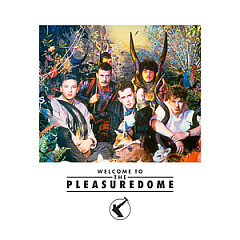
Frankie Goes to Hollywood's "Two Tribes" features British actor Patrick Allen reading extracts from a government civil defense leaflet.
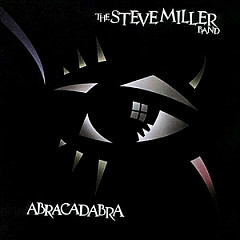
The Steve Miller song "Abracadabra" was inspired by Diana Ross and The Supremes. Miller first met the girl group when they performed together on NBC's Hullabaloo in 1966, and he wrote the lyrics after spotting Diana Ross skiing years later.
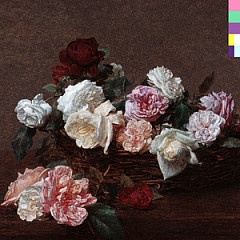
New Order got the title for "Blue Monday" from an illustration that read "Goodbye Blue Monday" in the Kurt Vonnegut book Breakfast Of Champions. The image refers to the invention of the washing machine improving housewives' lives.
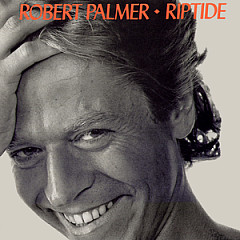
The models in Robert Palmer's iconic "Addicted To Love" video were chosen in part because they couldn't play music, so they're all playing and moving to different rhythms.
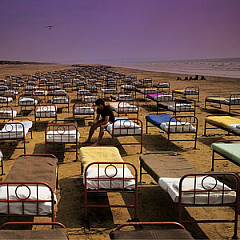
David Gilmour really was "Learning To Fly" when he co-wrote the Pink Floyd song - the aviation jargon came from his lessons.
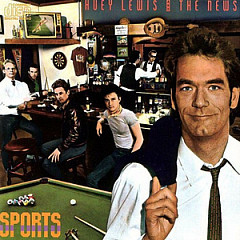
"Walking on a Thin Line" by Huey Lewis and the News is about an American soldier who is trained as a sniper in the Vietnam War. It was written for a documentary on the war.
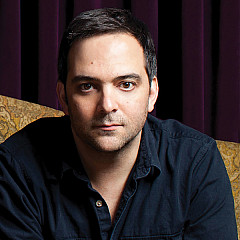
The guy who brought us "Stacy's Mom" also wrote the Jane Lynch Emmy song and Stephen Colbert's Christmas songs.
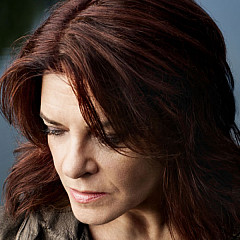
Rosanne talks about the journey that inspired her songs on her album The River & the Thread, including a stop at the Tallahatchie Bridge.
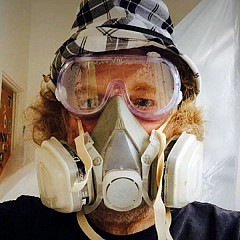
Billy Joel and Hall & Oates hated making videos, so they chose a director with similar contempt for the medium. That was Jay Dubin, and he has a lot to say on the subject.
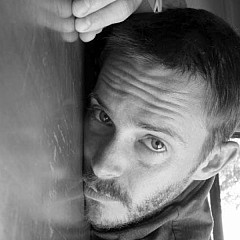
The "All I Want" singer went through a long depression, playing some shows when he didn't want to be alive.
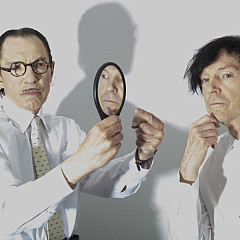
The men of Sparks on their album Hippopotamus, and how Morrissey handled it when they suggested he lighten up.
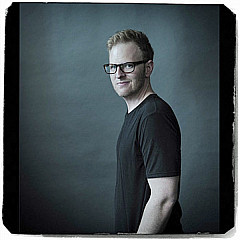
Wes Edwards takes us behind the scenes of videos he shot for Jason Aldean, Dierks Bentley and Chase Bryant. The train was real - the airplane was not.