

Katy Perry co-wrote Iggy Azalea's hit single "Black Widow." Perry was originally going to sing on the track, but she couldn't fit it into her schedule, so Rita Ora provided the sung vocals instead.
The music video for "You Are A Tourist" by Death Cab For Cutie was done live on the internet, becoming the first live, scripted, single-take music video recorded that way.
"Zombie" by The Cranberries is about a 1993 IRA bombing in England that killed two children.
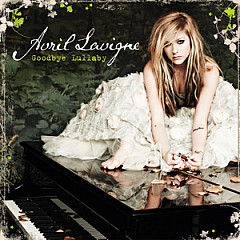
Avril Lavigne's 2011 song "Darlin" was written much earlier; she says it's the second song she ever wrote, composed when she was an unsigned 15-year-old living in Napanee, Ontario. The song reflects those years when she was "trying to figure it all out."
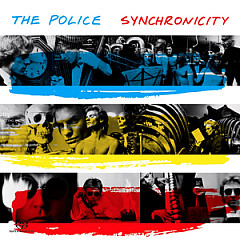
"Every Breath You Take" by The Police feels like a love song, but a careful listen reveals it's about a stalker. Sting called it "a nasty little song, really rather evil. It's about jealousy and surveillance and ownership."
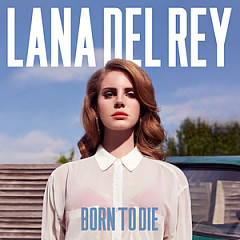
The game Lana Del Rey sings about in "Video Games" is World of Warcraft - her ex used to play it all the time.

The stories behind "Whole Of The Moon" and "Red Army Blues," and why rock music has "outlived its era of innovation."
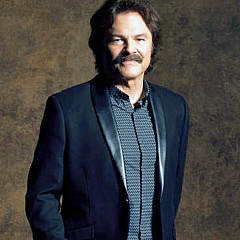
The Doobies guitarist and lead singer, Tom wrote the classics "Listen To The Music," "Long Train Runnin'" and "China Grove."
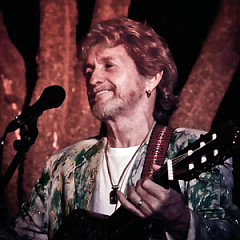
From the lake in "Roundabout" to Sister Bluebird in "Starship Trooper," Jon Anderson talks about how nature and spirituality play into his lyrics for Yes.

Chris and his wife Tina were the rhythm section for Talking Heads when they formed The Tom Tom Club. "Genius of Love" was their blockbuster, but David Byrne only mentioned it once.
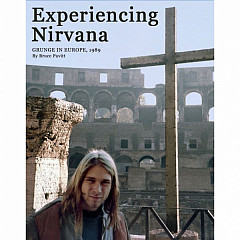
The man who ran Nirvana's first label gets beyond the sensationalism (drugs, Courtney) to discuss their musical and cultural triumphs in the years before Nevermind.

Holly Knight talks about some of the hit songs she wrote, including "The Warrior," "Never" and "The Best," and explains some songwriting philosophy, including how to think of a bridge.