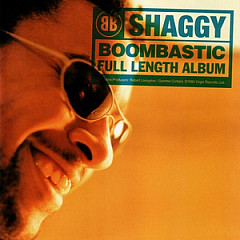
Shaggy wrote his swaggering hit "Boombastic" after learning what "shag" means in the UK.
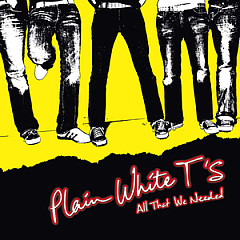
When he met Delilah DiCrescenzo, Plain White T's lead singer Tom Higgenson told her he'd write a song about her, and came up with the first verse of "Hey There Delilah" on the spot.
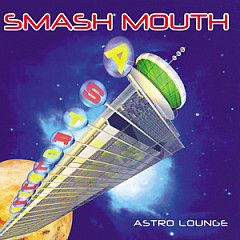
"All Star" was written as a confidence builder for fans who were bullied for liking Smash Mouth.
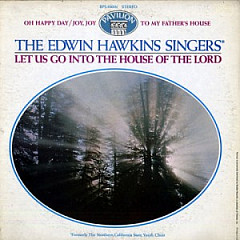
"Oh Happy Day" by The Edwin Hawkins Singers was recorded in a church and sold to raise money for the choir. It's the only genuine gospel song to become a pop hit, reaching #4 in 1969.

The Nicolette Larson hit "Lotta Love" was written by Neil Young, who recorded a very different version of the song.
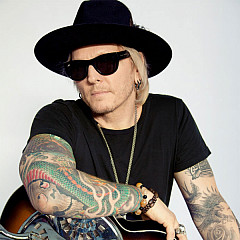
When he joined Guns N' Roses in 1990, Matt helped them craft an orchestral sound; his mezzo fortes and pianissimos are all over "November Rain."
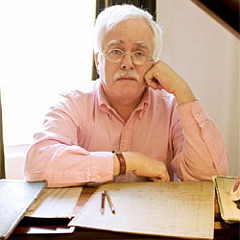
U2, Carly Simon, Joanna Newsom, Brian Wilson and Fiona Apple have all gone to Van Dyke Parks to make their songs exceptional.
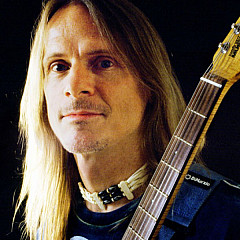
Deep Purple's guitarist since 1994, Steve talks about writing songs with the band and how he puts his own spin on "Smoke On The Water."
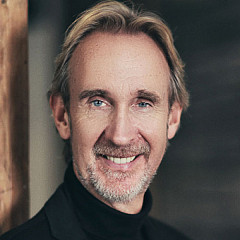
Mike Rutherford talks about the "Silent Running" storyline and "Land Of Confusion" in the age of Trump.
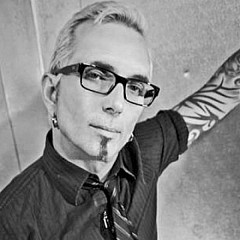
The lead singer of Everclear, Art is also their primary songwriter.
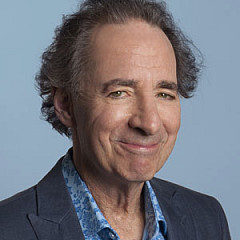
Harry is Derek Smalls in Spinal Tap, Mark Shubb in The Folksmen, and Mr. Burns on The Simpsons.