

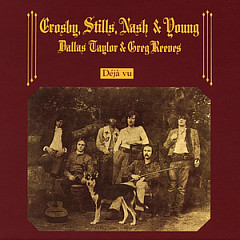
Graham Nash wrote the domestic tranquility classic "Our House" about the house he shared with Joni Mitchell. It was a very very very fine house.
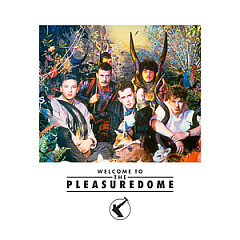
Frankie Goes to Hollywood's "Two Tribes" features British actor Patrick Allen reading extracts from a government civil defense leaflet.
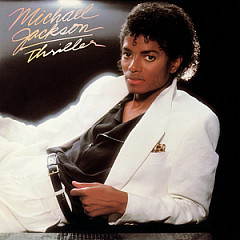
"Wanna Be Startin' Somethin'" was Michael Jaskson's attack on the tabloid press: "They eat off of you, you're a vegetable."
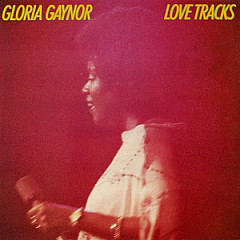
There was only one Grammy ever given for Best Disco Recording. It went to "I Will Survive" by Gloria Gaynor.
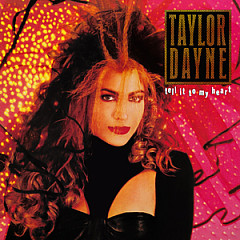
The guy who wrote Taylor Dayne's "Tell It To My Heart" owns a collection of famous baseballs, including the one that went through Bill Buckner's legs in the 1986 World Series.

"Mother" by Danzig is about censorship, specifically the Parents Music Resource Center, which pushed record labels to put warning stickers on albums with explicit lyrics.
Bridesmaids, Reservoir Dogs, Willy Wonka - just a few of the flicks where characters discuss specific songs, sometimes as a prelude to murder.
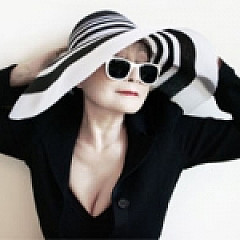
At 80 years old, Yoko has 10 #1 Dance hits. She discusses some of her songs and explains what inspired John Lennon's return to music in 1980.

10 Questions for the author of Precious Metal: Decibel Presents the Stories Behind 25 Extreme Metal Masterpieces
A Soul Train dancer takes us through a day on the show, and explains what you had to do to get camera time.
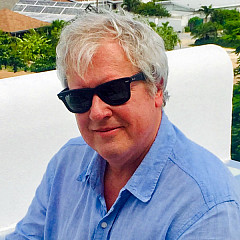
Talking Heads drummer Chris Frantz on where the term "new wave" originated, the story of "Naive Melody," and why they never recorded another cover song after "Take Me To The River."
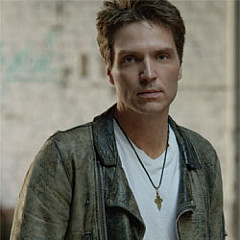
Richard explains how Joe Walsh kickstarted his career, and why he chose Hazard, Nebraska for a hit.