
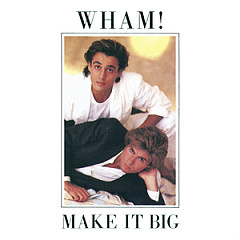
George Michael was 17 and on a bus to his job at the cinema when he came up with the idea for "Careless Whisper" and the lyrics, "Something in your eyes calls to mind a silver screen."
Elton John had a huge hit duetting with Kiki Dee on "Don't Go Breaking My Heart," but he's also performed it with RuPaul and Miss Piggy.
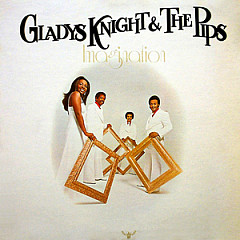
"Midnight Train To Georgia" was originally "Midnight Plane To Houston," but was changed to sound more R&B.

Weezer frontman Rivers Cuomo wrote "Beverly Hills" after seeing a photo of the group Wilson Phillips and imagining what it would be like to marry someone famous.
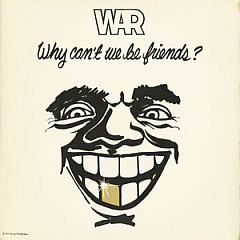
War got the idea for "Why Can't We Be Friends?" when they were traveling in Japan and found they had a kinship with the citizens even though they didn't speak the same language.
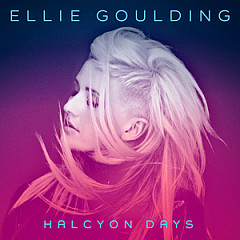
Ellie Goulding's hit single "Burn" was originally demoed by Leona Lewis for her 2011 Glassheart album. She scrapped the tune when the project was retooled to include more ballads.

Todd Rundgren explains why he avoids "Hello It's Me," and what it was like producing Meat Loaf's Bat Out of Hell album.
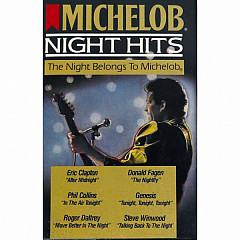
Michelob commercials generated hits for Eric Clapton, Genesis and Steve Winwood in the '80s, even as some of these rockers were fighting alcoholism.
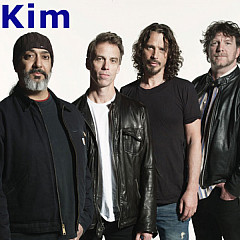
Their frontman (Chris Cornell) started out as their drummer, so Soundgarden takes a linear approach when it comes to songwriting. Kim explains how they do it.
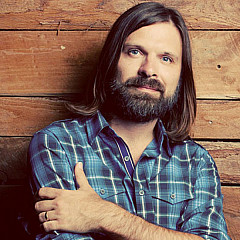
The Third Day frontman talks about some of the classic songs he wrote with the band, and what changed for his solo country album.
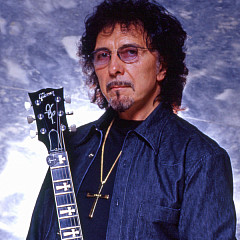
Guitarist Tony Iommi on the "Iron Man" riff, the definitive Black Sabbath song, and how Ozzy and Dio compared as songwriters.
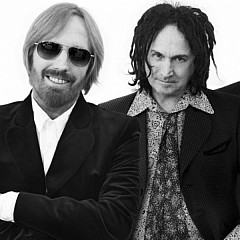
Mike is lead guitarist with Tom Petty & the Heartbreakers, and co-writer of classic songs like "Boys Of Summer," "Refugee" and "The Heart Of The Matter."