Throw Your Set In The Air

Album: Cypress Hill III: Temples of Boom (1995)
Charted: 15 45
Play Video

Songfacts®:

  • A "set" is a division of a gang, so in this song, Cypress Hill is encouraging gang members to throw their hand signs and represent. The group formed outside of Los Angeles, and their rappers B-Real and Sen Dog were members of the Latino Bloods, a set of the Bloods. The song, though, doesn't make specific reference to that gang.
  • Gang life is a topic Cypress Hill hit on a lot in their songs, dating back to their first single, "How I Could Just Kill A Man." B-Real was shot by a rival gang member when he was 17. The bullet punctured his lung and came close to his heart.
  • "Throw Your Set In The Air" was the first single from Cypress Hill's third album, Cypress Hill III: Temples of Boom. The song charted at #45 in the US and the album went Platinum, but by this time, gangsta rap was on the wane. The group's peak was in 1993 with their previous album, Black Sunday, which sold 4 million copies and included the crossover hit "Insane In The Brain."
  • Cypress Hill accused Ice Cube of ripping off the chorus for his song "Friday," the title track to his 1995 movie, which became a franchise. Cube was an early supporter of Cypress Hill, appearing in the video for their first single, "How I Could Just Kill A Man," in 1991. He asked Cypress Hill to contribute a song to the movie, which revolves around smoking pot, so they came up with a tune called "Roll It Up, Light It Up, Smoke It Up." According to the group, when they played it for Ice Cube in the studio, they also let him hear another song they were working on called "Throw Your Set In The Air." Cube asked to use that one in the movie, but Cypress Hill wanted it for their own album, so they didn't let him. They should have known that Ice Cube was always jackin' for beats.

    When the Friday soundtrack was released, the group were shocked to hear that Ice Cube jacked the hook, changing the line "throw your set in the air" to "throw your neighborhood in the air."

    "Friday" was released before Cypress Hill put out "Throw Your Set In The Air," so many listeners assumed they had stolen Ice Cube's song. This act of betrayal destroyed the friendship between Ice Cube and Cypress Hill, who vented their frustrations on the song "No Rest For The Wicked," which they included on the Cypress Hill III: Temples of Boom album along with "Throw Your Set In The Air."
  • This is the song Cypress Hill play in the 1996 "Homerpalooza" episode of The Simpsons when Bart and Lisa catch their set at the Hullabalooza festival and notice a funny smell - like Otto's jacket.

    The episode is a send-up of Lollapalooza, which Cypress Hill played in 1992 and 1995. Later in the episode, the London Symphony Orchestra show up, presumably ordered by Cypress Hill when they were stoned. They join together on "Insane In The Brain."

Comments

Be the first to comment...

Editor's Picks

Best Band Logos

Best Band LogosSong Writing

Queen, Phish and The Stones are among our picks for the best band logos. Here are their histories and a design analysis from an expert.
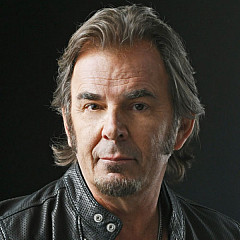
Jonathan Cain of Journey

Jonathan Cain of JourneySongwriter Interviews

Cain talks about the divine inspirations for "Don't Stop Believin'" and "Faithfully."

Paul Williams

Paul WilliamsSongwriter Interviews

He's a singer and an actor, but as a songwriter Paul helped make Kermit a cultured frog, turned a bank commercial into a huge hit and made love both "exciting and new" and "soft as an easy chair."

Jack Blades of Night Ranger and Damn Yankees

Jack Blades of Night Ranger and Damn YankeesSongwriter Interviews

Revisit the awesome glory of Night Ranger and Damn Yankees: cheesily-acted videos, catchy guitar licks, long hair, and lyrics that are just plain relatable.
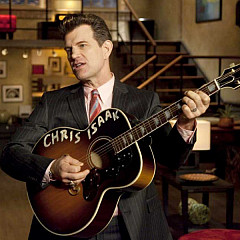
Chris Isaak

Chris IsaakSongwriter Interviews

Chris tells the story of "Wicked Game," talks milkshakes and moonpies at Sun Records, and explains why women always get their way.
80s Video Director Jay Dubin

80s Video Director Jay DubinSong Writing

Billy Joel and Hall & Oates hated making videos, so they chose a director with similar contempt for the medium. That was Jay Dubin, and he has a lot to say on the subject.