
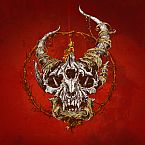


Jonah Hill directed the video for Sara Bareilles' song "Gonna Get Over You." It's a mash-up of Grease and West Side Story.
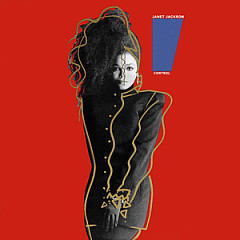
When "When I Think of You" hit #1, Janet and Michael Jackson became the first siblings with chart topping solo hits in the United States.
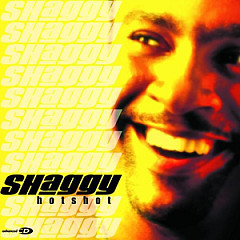
"It Wasn't Me" by Shaggy was based on an Eddie Murphy comedy bit where he would deny everything no matter how badly he was caught.

"Hips Don't Lie" is Shakira's in-studio mantra for her crew: If her hips are moving, the song is working. If not, best to try something else.
One of Tom Petty's most personal songs is "Room At The Top," written when he was dealing with addiction and divorce. He stopped performing it because it brought back painful memories.

"Lean On" was originally sent by Major Lazer to both Rihanna and Nicki Minaj's camps as a slower reggae track. After both parties rejected the tune, Major Lazer recruited Danish singer MØ to supply vocals and they recorded it themselves.
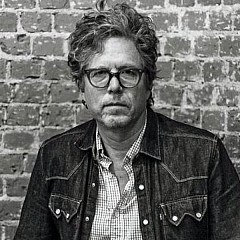
The Jayhawks' song "Big Star" has special meaning to Gary, who explains how longevity and inspiration have trumped adulation.
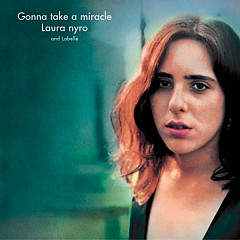
Laura Nyro talks about her complex, emotionally rich songwriting and how she supports women's culture through her art.
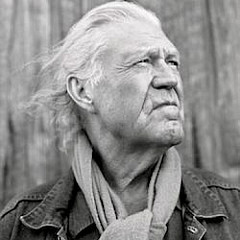
The outlaw country icon talks about the spiritual element of his songwriting and his Bob Dylan mention.
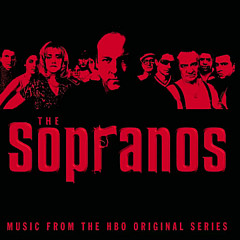
Was a Beatles song a TV theme? And who came up with those Fresh Prince and Sopranos songs?
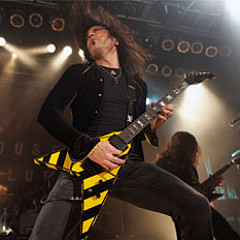
Find out how God and glam metal go together from the Stryper frontman.
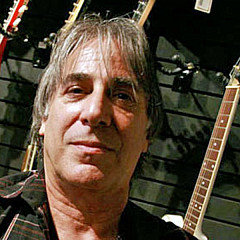
Danny played guitar on Sweet Baby James, Tapestry, and Running On Empty. He also co-wrote many hit songs, including "Dirty Laundry," "Sunset Grill" and "Tender Is The Night."