
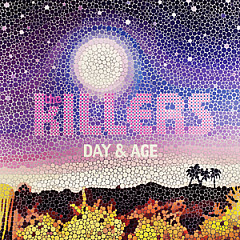
"Human" by The Killers was the most streamed song on Spotify in 2008, the year that the music streaming service was launched.
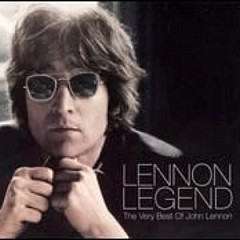
"Instant Karma" is one of John Lennon's most hopeful songs, written and recorded in one day at a time when he felt people were pulling together in a positive direction.
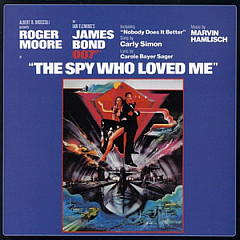
"Nobody Does It Better" by Carly Simon was used in the film The Spy Who Loved Me. It was the first James Bond song not named after the movie.
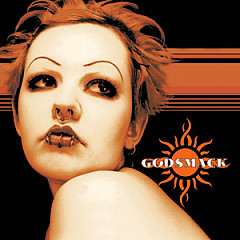
The line, "I feel the snakebite enter my veins," led many to believe the Godsmack song "Voodoo" is about drugs, but it's really about Wiccan ritual, inspired in part by the Wes Craven movie The Serpent and the Rainbow.
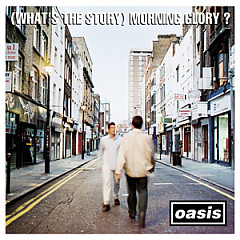
Oasis didn't coin the term "Wonderwall." It's the title of a 1968 movie with a soundtrack by George Harrison. It was Harrison's soundtrack that got the band's attention.
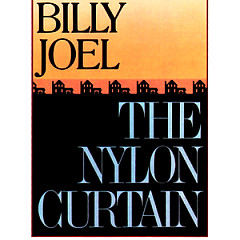
Billy Joel's song "Allentown" was written as "Levittown," which is the town in Long Island where he grew up. He got the idea to change it after taking a trip to Pennsylvania.
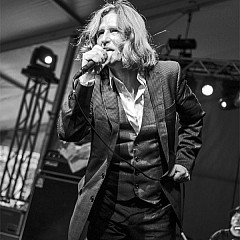
"Missing You" was a spontaneous outpouring of emotion triggered by a phone call. John tells that story and explains what MTV meant to his career.
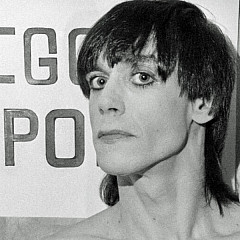
Chris Stein of Blondie shares photos and stories from his book about the New York City punk scene.
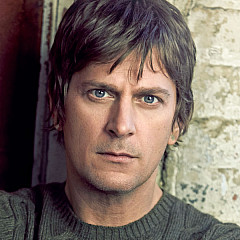
Rob Thomas on his Social Distance Sessions, co-starring with a camel, and his friendship with Carlos Santana.

The Christian rapper talks about where his trip to Haiti and his history of addiction fit into his songs.
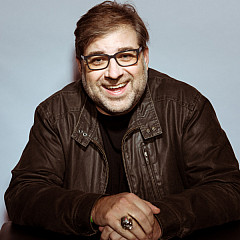
A top country songwriter, Barry talks about writing hits for Little Big Town, Tim McGraw and Jason Aldean.
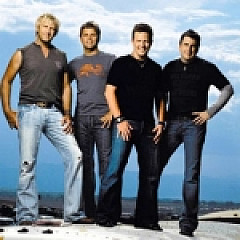
Richie talks about the impact of "Amazed," and how his 4-year-old son inspired another Lonestar hit.