
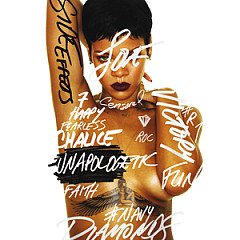
Rihanna's 2012 hit "Diamonds" was written by Sia Furler, who two years later had a huge hit on her own with "Chandelier." Sia also wrote the David Guetta hit "Titanium."
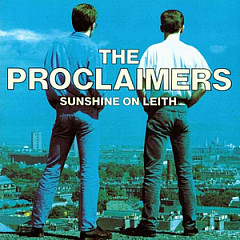
Americans know the song "I'm Gonna Be (500 Miles)" by The Proclaimers thanks to the 1993 Johnny Depp movie Benny & Joon, where it plays in the opening scene. The song was first released in 1988 but got little attention in the US until it showed up in the film.
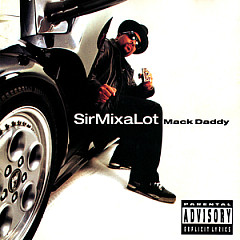
Sir Mix-A-Lot says he's earned over $100 million from "Baby Got Back." He wrote the song and owns the publishing rights, so he can authorize its use in movies, TV shows and commercials, which he often does.
Brian Wilson played the Barenaked Ladies song "Brian Wilson" at some of his concerts. He was "honored" by the song.
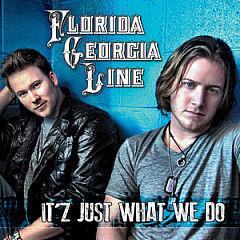
Florida Georgia Line's "Cruise" spent 24 weeks on top of the Country chart - the most ever until Sam Hunt's "Body Like a Back Road" was #1 for 34 weeks. The record was previously held by Eddy Arnold's "I'll Hold You in My Heart (1947-48), Hank Snow's "I'm Moving On" (1950-51) and Webb Pierce's "In the Jailhouse Now" (1955), which each led for 21 weeks.

The Simon & Garfunkel song "Mrs. Robinson" was originally called "Mrs. Roosevelt," most likely after First Lady Eleanor Roosevelt. The title was changed when it was considered for use in the film The Graduate, where Anne Bancroft's character is Mrs. Robinson.
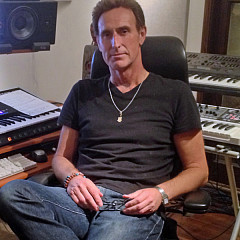
With Bernie Taupin, Martin co-wrote the #1 hits "We Built This City" and "These Dreams." After writing the Pretty Woman song for Go West, he had his own hit with "In the House of Stone and Light."
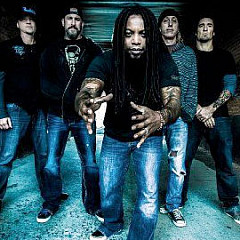
The Sevendust frontman talks about the group's songwriting process, and how trips to the Murder Bar helped forge their latest album.
Songs that seem to glorify violence against women are often misinterpreted - but not always.
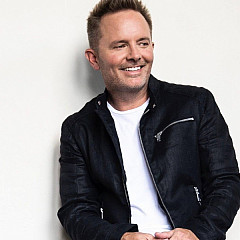
The king of Christian worship music explains talks about writing songs for troubled times.
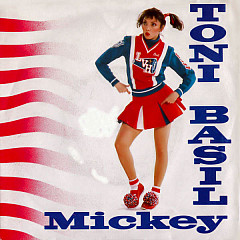
It started with a bouncy MTV classic. Nirvana and MCR made them scary, then Gwen, Avril and Madonna put on the pom poms.

Brian has unearthed outtakes by Fleetwood Mac, Aretha Franklin, Elvis Costello and hundreds of other artists for reissues. Here's how he does it.