

The '60s hit "Then He Kissed Me" was covered by The Beach Boys as "Then I Kissed Her."
Pete Townshend never had a #1 UK hit with The Who or as a solo artist, but he did produce and play on a song that hit the top spot there: "Something In The Air" by Thunderclap Newman, a group he assembled.
Guns N' Roses' Appetite For Destruction album includes a song called "Rocket Queen," identified in the liner notes as Barbi Von Greif. Axl Rose says she "kind of kept me alive for a while."
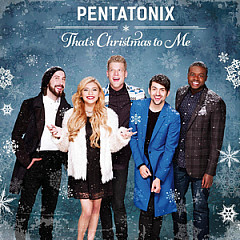
The lyrics for "Mary, Did You Know?" were written by Christian singer and comedian Mark Lowry, after his pastor asked him to write a Christmas musical for their church. Southern gospel musician Buddy Greene later added music to his words.
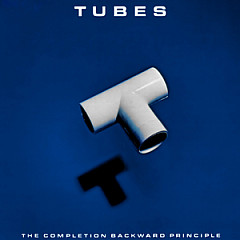
"Talk To Ya Later" proved the power of MTV when sales of Tubes albums picked up in markets like Tulsa, Oklahoma, where the network was available.
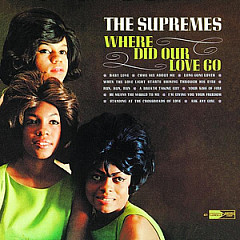
When "Baby Love" reached the top spot, The Supremes became the first Motown act with two #1 hits on the Hot 100.
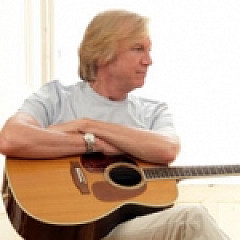
Justin wrote the classic "Nights In White Satin," but his fondest musical memories are from a different decade.

The renown rock singer talks about "The House of the Rising Sun" and "Don't Let Me Be Misunderstood."
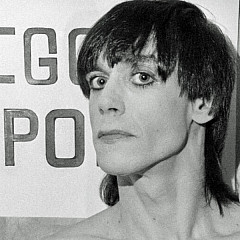
Chris Stein of Blondie shares photos and stories from his book about the New York City punk scene.
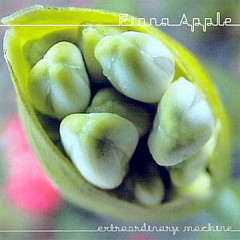
Fiona's highly-anticipated third album almost didn't make it. Here's how it finally came together after two years and a leak.
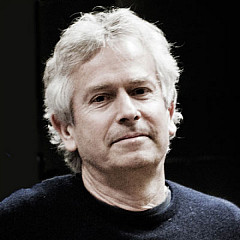
Genesis' key-man re-examines his solo career and the early days of music video.
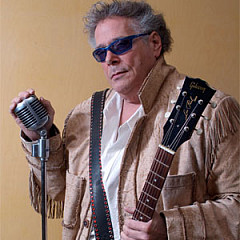
From the cowbell on "Mississippi Queen" to recording with The Who when they got the wrong Felix, stories from one of rock's master craftsmen.