

"Today" by Smashing Pumpkins is sarcastic in the line "today is the greatest day." Lead singer Billy Corgan wrote it about the crippling depression he was battling following the band's first big tour.
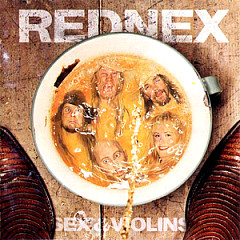
"Cotton Eye Joe" is a folk song dating to the 1800s, but it became a hit when a Swedish act called Rednex did a psychokinetic version in 1994.

The Four Tops' "I Can't Help Myself (Sugar Pie Honey Bunch)" was written by the Motown team of Lamont Dozier, Brian Holland and Eddie Holland. The phrase "Sugar pie, honey bunch" was something Dozier's grandfather used to say when he was a kid.
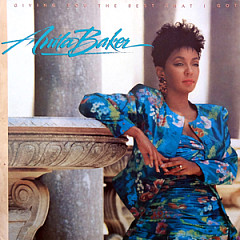
Before the game when he hit a famous shot to win a playoff series against the Cleveland Cavaliers, Michael Jordan was listening to Anita Baker's "Giving You The Best That I Got."
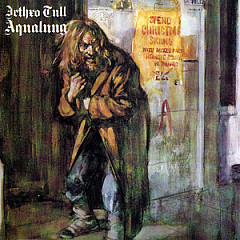
Jethro Tull lead singer Ian Anderson wrote "Aqualung" after looking at pictures of homeless men that his wife took. She got a co-writing credit on the song.
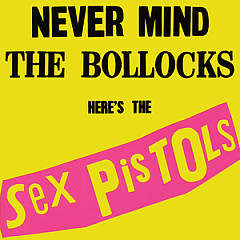
The riff for The Sex Pistols' "Pretty Vacant" was pinched from a very unpunk song, the ABBA ballad "S.O.S."
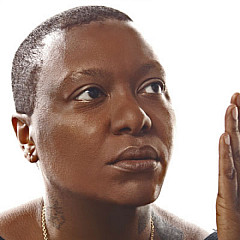
Meshell Ndegeocello talks about recording "Wild Night" with John Mellencamp, and explains why she shied away from the spotlight.
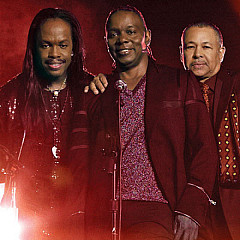
The longtime bassist of Earth, Wind & Fire discusses how his band came to do a holiday album, and offers insight into some of the greatest dance/soul tunes of all-time.
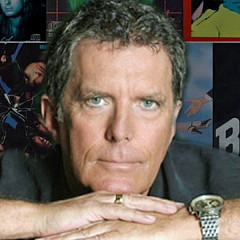
Ron Nevison explains in very clear terms the Quadrophenia concept and how Heart staged their resurgence after being dropped by their record company.
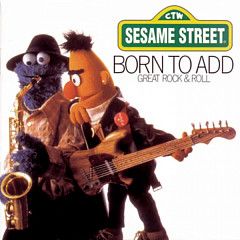
When singers started spoofing their own songs on Sesame Street, the results were both educational and hilarious - here are the best of them.
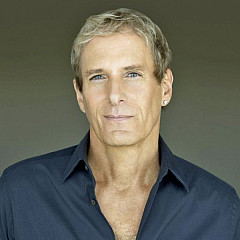
Into the vaults for this talk with Bolton from the '80s when he was a focused on writing songs for other artists.
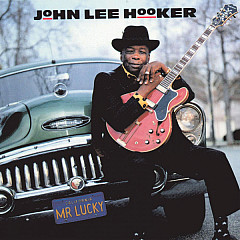
Into the vaults for Bruce Pollock's 1984 conversation with the esteemed bluesman. Hooker talks about transforming a Tony Bennett classic and why you don't have to be sad and lonely to write the blues.