

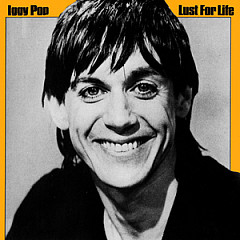
Iggy Pop wrote "Lust For Life" with David Bowie, who came up with the music on a ukulele.
Until December 5, 1998, a song had to be issued as a single to make the Hot 100. Aaliyah's "Try Again" was the first tune to top the chart based on airplay alone, without any sales figures being included.
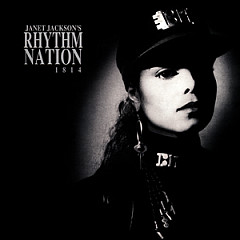
Janet Jackson's "Rhythm Nation" was inspired by the tribes that came together at New York City dance clubs.

"Lean On" was originally sent by Major Lazer to both Rihanna and Nicki Minaj's camps as a slower reggae track. After both parties rejected the tune, Major Lazer recruited Danish singer MØ to supply vocals and they recorded it themselves.
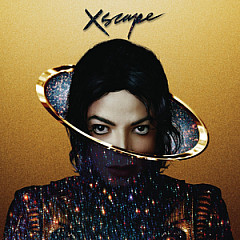
Michael Jackson became the first artist in history to score Top 10 hits in five consecutive decades on the Hot 100 when "Love Never Felt So Good" landed at #9 on the chart dated May 31, 2014.
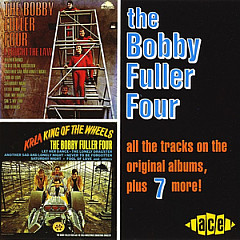
"I Fought The Law" was a hit for The Bobby Fuller Four in 1965. The Clash released their version in 1979, changing the lyrics "I left my baby" to "I killed my baby."
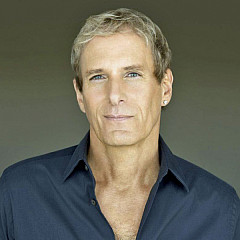
Into the vaults for this talk with Bolton from the '80s when he was a focused on writing songs for other artists.

In her days with The Runaways, Joan Jett saw The Arrows perform "I Love Rock And Roll," which Alan Merrill co-wrote - that story and much more from this glam rock pioneer.
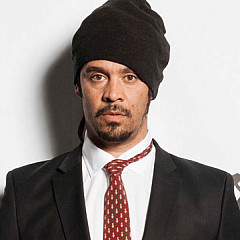
Franti tells the story behind his hit "Say Hey (I Love You)" and explains why yoga is an integral part of his lifestyle and his Soulshine tour.
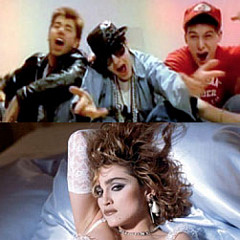
Here's what happens when an opening act is really out of place with the headliner, like when Beastie Boys opened for Madonna.

Mike Rutherford talks about the "Silent Running" storyline and "Land Of Confusion" in the age of Trump.
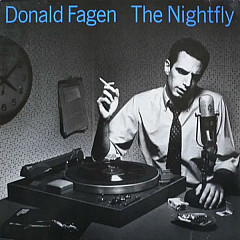
Fagen talks about how the Steely Dan songwriting strategy has changed over the years, and explains why you don't hear many covers of their songs.