
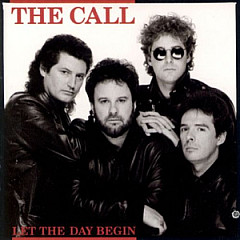
Al Gore chose an inspiring but obscure campaign song when he ran for president in 2000: "Let The Day Begin" by The Call.
Ed Sheeran's "Bloodstream" was written after an experience taking MDMA during a wedding celebration in Ibiza; it's basically about all the feelings that he got from that time.
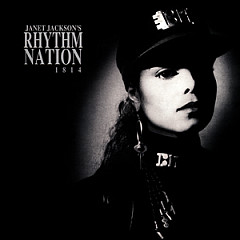
Janet Jackson's "Alright" video features Cab Calloway and Cyd Charisse, stars of musicals she loved as a kid.
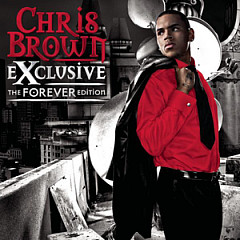
"Forever" by Chris Brown was written for a Wrigley's Doublemint Gum commercial. The full song contains the gum's tagline: "Double your pleasure, double your fun."
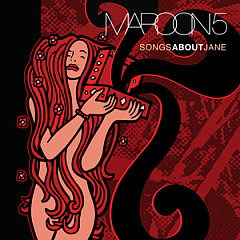
Adam Levine of Maroon 5 made it obvious who their song "This Love" was about when he named the album "Songs About Jane."
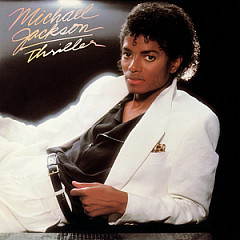
The first single from the Thriller album was "The Girl Is Mine," chosen over "Billie Jean" and "Beat It" because it was a duet with Paul McCartney and thus guaranteed airplay.
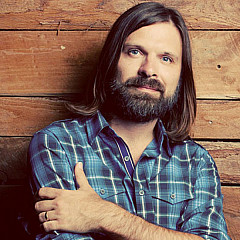
The Third Day frontman talks about some of the classic songs he wrote with the band, and what changed for his solo country album.

He wrote "She Blinded Me With Science" so he could direct a video about a home for deranged scientists.

Lyrics don't always follow the rules of grammar. Can you spot the ones that don't?

Surprise exits, a catfight and some very memorable performances make our list of the most memorable Idol moments.
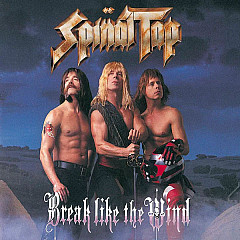
They sang about pink torpedoes and rocking you tonight tonight, but some real lyrics are just as ridiculous. See if you can tell which lyrics are real and which are Spinal Tap in this lyrics quiz.
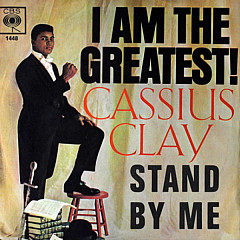
Before he was the champ, Ali released an album called I Am The Greatest!, but his musical influence is best heard in the songs he inspired.