These Colours Don't Run

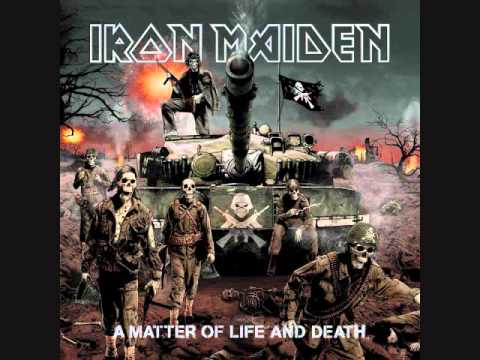
Album: A Matter of Life and Death (2006)
Play Video

Songfacts®:

  • The title of the song is inspired by Maiden singer Bruce Dickinson's words during their performance of "The Trooper" during what is called "the Ozzfest incident" among fans. Despite their set and equipment being sabotaged during the festival in Florida, Iron Maiden continued to perform. Typically, Dickinson waves a British flag during the song. At this performance, a saboteur was on stage waving an American flag. This caused Dickinson to comment, "This is a British flag, and these colours don't f--king run." On the DVD for A Matter of Life and Death, Dickinson confirmed that the phrase refers to the colors on the British flag. >>
    Suggestion credit:
    Ryan - Bethany, OK and Iain - Dubbo, Australia

Comments: 4

  • Bonkie Bonkers from BelgiumMost members of Maiden live in America, they do run.
  • John from London, United KingdomIn my opinion the lyrics & meaning of the title refer to the traditions, professionalism & bravery of the British Army. The idea of the colour not running kind of dates back to the days when each regiment carried its colours into battle, with the not running aspect referring to not fleeing in the face of the enemy but rather holding the line & standing your ground.
    The lyrics seem to support the idea of late 1800’s wars of the British Empire with “flying a flag in some foreign earth” with “for the money the glory etc.” referring to the various reasons soldiers enlisted & fought. “Fighting far away from the land of their birth” & “sailing away like their fathers before” is very relevant to the far reach of British Empire campaigns such as those in Afghanistan & Africa & the fact that wars in these places often occurred multiple times in the same place, with years or decades/a generation between them.
    Also sighting the idea of “no one that’ll save you” “no surrender” due to “certain death you look in the eye” as usually no quarter was given by the native enemy (Zulu’s, Dervishes & Afghans). Furthermore units where sometimes engaged by waves of attacks by far larger numbers with no chance of reinforcements for days or even weeks & therefore fought the best they could with famous last stands occurred (Isandlwana, Maiwand). The surviving members of the regiment gathered around their colours fighting till the last man in what was pure butchery. But the colours (i.e. symbol of the unit, its men & country in this foreign land) don’t run from it.
    This is just my interpretation with many of the lyrics taken literally mainly as they fit so well, & also like Iron Maiden I am British. But this song could easily apply to most bloody wars as it’s the same in every country, but it is most certainly about military sacrifices, bravery & the reasons a man puts himself in that position.
    Great song
  • Caitlin from Colmesneil, TxYeah, I watched a vid of Ozzfest '05 someone had put up on You Tube, and I wondered about that after I remember that the album didn't come out until after the incident...
    I also learned something from that video... Sharon Osbourne is a b**** who needed a good kick up the butt... UP THE IRONS.
  • John from Moline, Iloh, i thought it meant like the blood of the soldiers, thats cool
see more comments

Editor's Picks

Brenda Russell

Brenda RussellSongwriter Interviews

Brenda talks about the inspiration that drove her to write hit songs like "Get Here" and "Piano in the Dark," and why a lack of formal music training can be a songwriter's best asset.

Francesca Battistelli

Francesca BattistelliSongwriter Interviews

The 2011 Artist of the Year at the Dove Awards isn't your typical gospel diva, and she thinks that's a good thing.

Eric Clapton

Eric ClaptonFact or Fiction

Did Eric Clapton really write "Cocaine" while on cocaine? This question and more in the Clapton edition of Fact or Fiction.

Supertramp founder Roger Hodgson

Supertramp founder Roger HodgsonSongwriter Interviews

Roger tells the stories behind some of his biggest hits, including "Give a Little Bit," "Take the Long Way Home" and "The Logical Song."

Producer Ron Nevison

Producer Ron NevisonSong Writing

Ron Nevison explains in very clear terms the Quadrophenia concept and how Heart staged their resurgence after being dropped by their record company.

Jon Foreman of Switchfoot

Jon Foreman of SwitchfootSongwriter Interviews

Switchfoot's frontman and main songwriter on what inspires the songs and how he got the freedom to say exactly what he means.